April 2, 2026
This article is sponsored by Avera Health.
As oncology research and medicine advance, Avera specializes in cancer care to ensure patients receive the most cutting-edge and personalized care possible.
Specialization in cancer treatment involves oncologists becoming experts by focusing on specific types of cancer.
Oncologists can specialize through a special interest in a particular disease site or through formal fellowship training. In either case, individuals gain a broad base of knowledge about oncology in general and then focus on specific, highly complex areas.
Which oncology group do you specialize in?
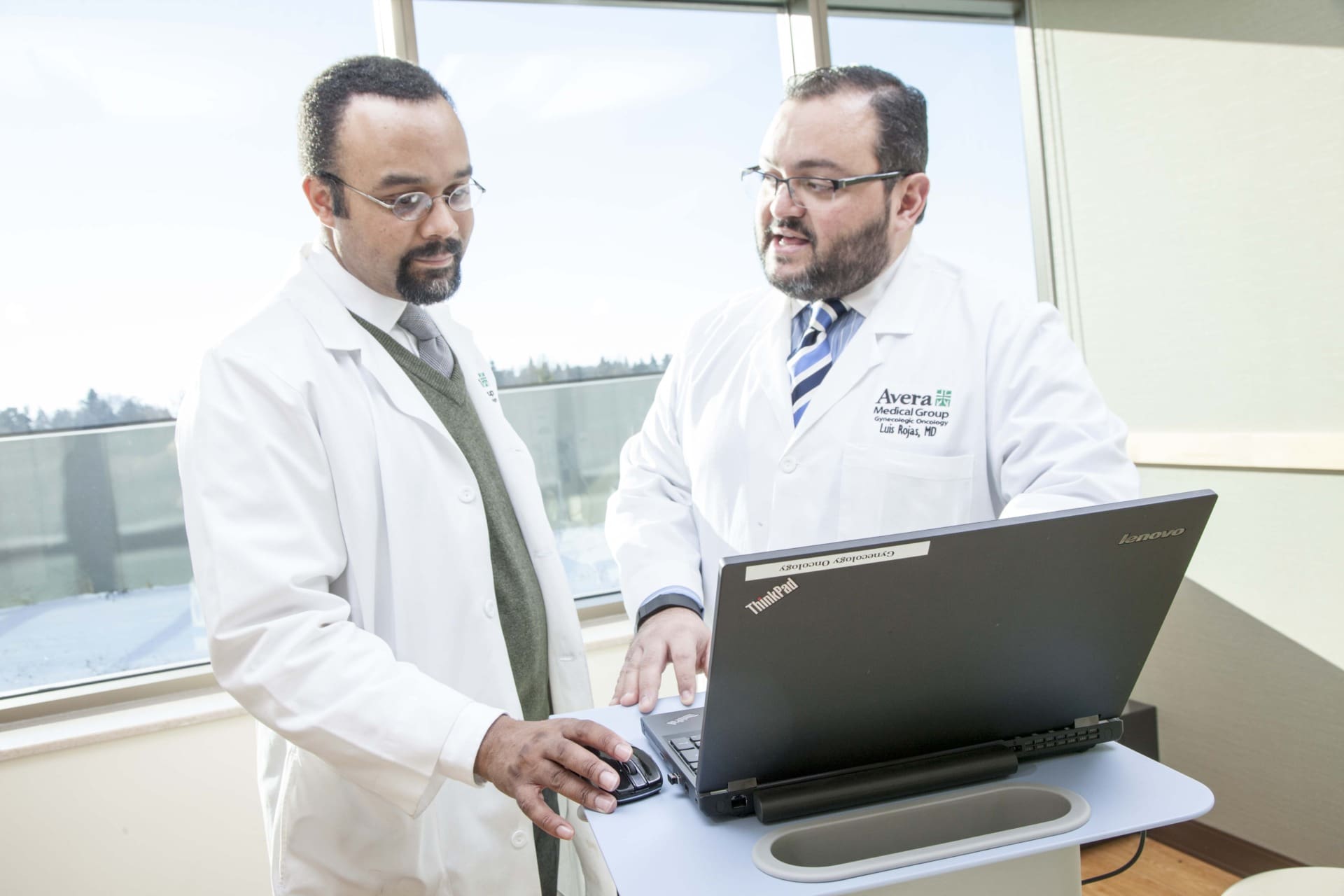
Dr. Luis Rojas, Avera’s clinical vice president of oncology services, joined Avera in 2007 and was one of the first subspecialists in gynecologic oncology in Sioux Falls.
“There are some organic, well-established subspecialties within cancer,” Rojas says. “As a gynecologic oncologist, I come from the world of obstetrics and gynecology and are part of a subgroup that has formal training programs in women’s cancers.”
“In medical oncology, you might focus on general hematology and oncology, but if you want to focus, there are two main branches: doctors who specialize in solid tumors like breast, prostate, and lung cancer, and doctors who master complex treatment options like bone marrow transplants and cell therapy and formally subspecialize in blood (blood) cancers like myeloma, leukemia, and lymphoma,” Rojas said.
Areas of highly developed expertise at Avera include breast. genitourinary; gastrointestinal; lung; head and neck. Skin; Hematology; Transplantation. and cell therapy and sequencing.
What drives specialization?
The trend toward specialization in cancer treatment is largely due to the growing field and rapidly evolving science.
“What has driven fragmentation in our professional community over the past decade is the amount of information coming out every day,” Rojas says.
“To put it in perspective, until 2000, there were approximately 50 different cytotoxic drugs (chemotherapies) available to treat cancer. From 2003 to 2021, there were more than 124 new FDA-approved cancer treatments, with 374 cancer indications, according to the 2022 edition of the American Society of Clinical Oncology, published in the Journal of Clinical Oncology.”
In addition to medical advances, patient demand is also driving specialization.
“Our patients are asking, ‘Who are the experts in this field?’ That’s what’s driving the trend,” Rojas said. Expert care gives patients access to clinical trials and most treatment options.
Is the APP specialized?
At Avera, our expertise extends to advanced care providers, many of whom work in specific disease settings, further expanding our breadth of cancer services.
“Many APPs are paired with specific physicians with primary areas of focus, leading to subspecialization by default,” said Katie Van Beek, vice president of oncology at Avera. “Their doctors are also less specialized, which essentially makes them experts in that type of treatment as well.”
“We have several specialized navigators who specialize in specific disease areas and are dedicated to working with specialty-specific APPs to navigate patient care.”
Large number of cases is the key to high quality care
It is important for health care providers to have experience with large numbers of cases of a particular type of tumor. Because more exposure leads to deeper knowledge of the cancer type and improved treatment techniques.
“When you’re exposed to a higher volume of treatments, you’re not only seeing a wide variety of cases, but you’re also seeing special cases where you need to come up with the best treatment plan multidisciplinary,” Rojas said. “And the more you practice, the better you get.”
The high caseload and focus on specific oncology specialties allows healthcare providers to immerse themselves in clinical research specific to those cases and specialties.
“In addition to participating in that research to provide it to patients, you can also actively participate as a researcher and become proficient by attending conferences specific to your specialty,” Rojas said.
Important general oncologists throughout the region
General oncologists remain essential to Avera’s ability to serve communities across our vast health system, as many rural communities do not have the patient volume to support subspecialty physicians in each region.
“This is really about the integration and collaboration of one oncology team across our locations,” Van Beek said.
This model provides patients with:
- You can receive high-quality care close to home without having to travel excessively to large facilities.
- Subspecialized physicians work as direct partners with general oncologists, ensuring continuous communication regarding optimal patient care.
- Option for a formal second opinion from a subspecialist physician.
- If necessary, we will refer you to a specialist doctor.
Expert collaboration through oncology conferences
Avera offers 13 disease-specific oncology conferences to help interdisciplinary teams collaborate on patient cases. In the field of breast care, there are three oncology conferences. One for the Sioux Falls area, one for the entire service line, and one specifically for metastatic breast cancer.
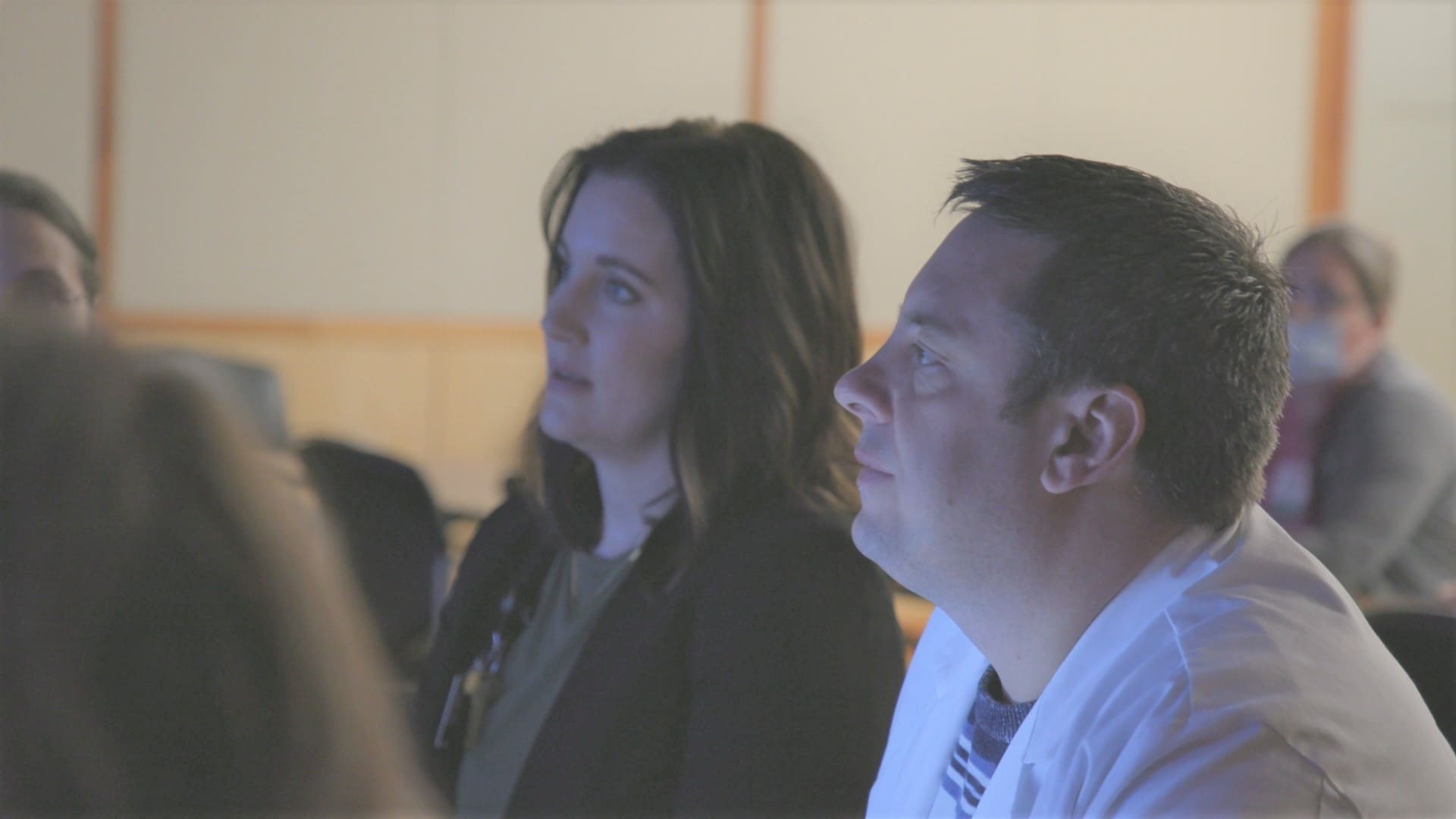
Breast cancer specialists Allie Higgins, MD, and Jason Jones, MD, listen to patient cases presented at breast cancer tumor-specific conferences.
“These meetings bring together specialized physicians – pathologists, radiologists, all members of the oncology team, as well as doctors in other regions, in person or via video call – to discuss the best care for that patient and to provide that care locally,” Rojas said.
Specialization drives physician recruitment
Avera’s segmented model not only drives improved quality of patient care, but also increases satisfaction among Avera’s physician group.
“If you live in a rural state like South Dakota, it can be difficult to recruit physicians. As we continue to recruit, we’re seeing more and more physicians with a strong interest in subspecialties of practice,” Van Beek said.
In addition to the rapidly expanding number of available drugs, thousands of new papers are published each year, making the oncologist’s practice increasingly challenging.
“Doctors literally can’t use all this information to stay on top of the latest developments in cancer treatment,” Van Beek says. “If you subspecialize, you have a much smaller subset of what you need to know. You can be really good at that.”
For more information about cancer treatment, visit Avera.
#Averas #cancer #specialty #win #patients #physicians