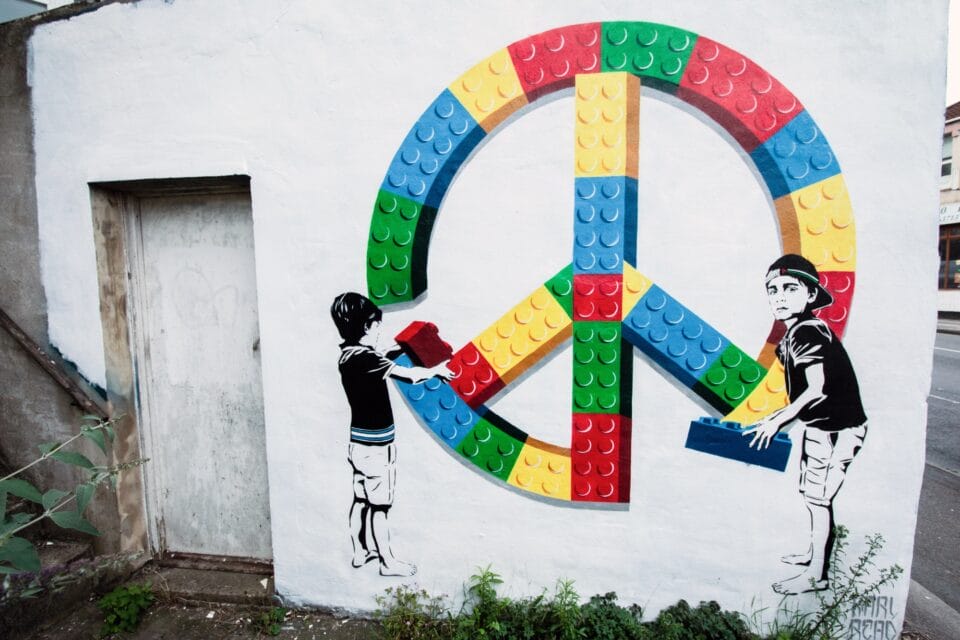
The wonder of walking out onto the street and seeing a vibrant mural, or the joy of seeing one in progress during a popular festival like Nuart Aberdeen, is an inherently fleeting experience. Murals may be designed to last for decades, or they may be temporary installations that address a particularly interesting piece of local history or a pressing social issue, but either way, the experience we have when we walk by is short-lived. These works are always vulnerable to the elements and new developments, and do not necessarily last long. That’s where the Art UK archive comes into play.
As a digital platform, Art UK connects audiences to public collections across the country. The site features approximately 1 million works of art, drawn from approximately 3,500 collections, including museums, libraries, hospitals, city halls, and more. The organization recently achieved a significant milestone in its goal of mapping and cataloging street art and murals across the country. In just over two years since launching the initiative, Art UK has added over 6,600 new works to its database, bringing the total number of published works to well over 21,000.
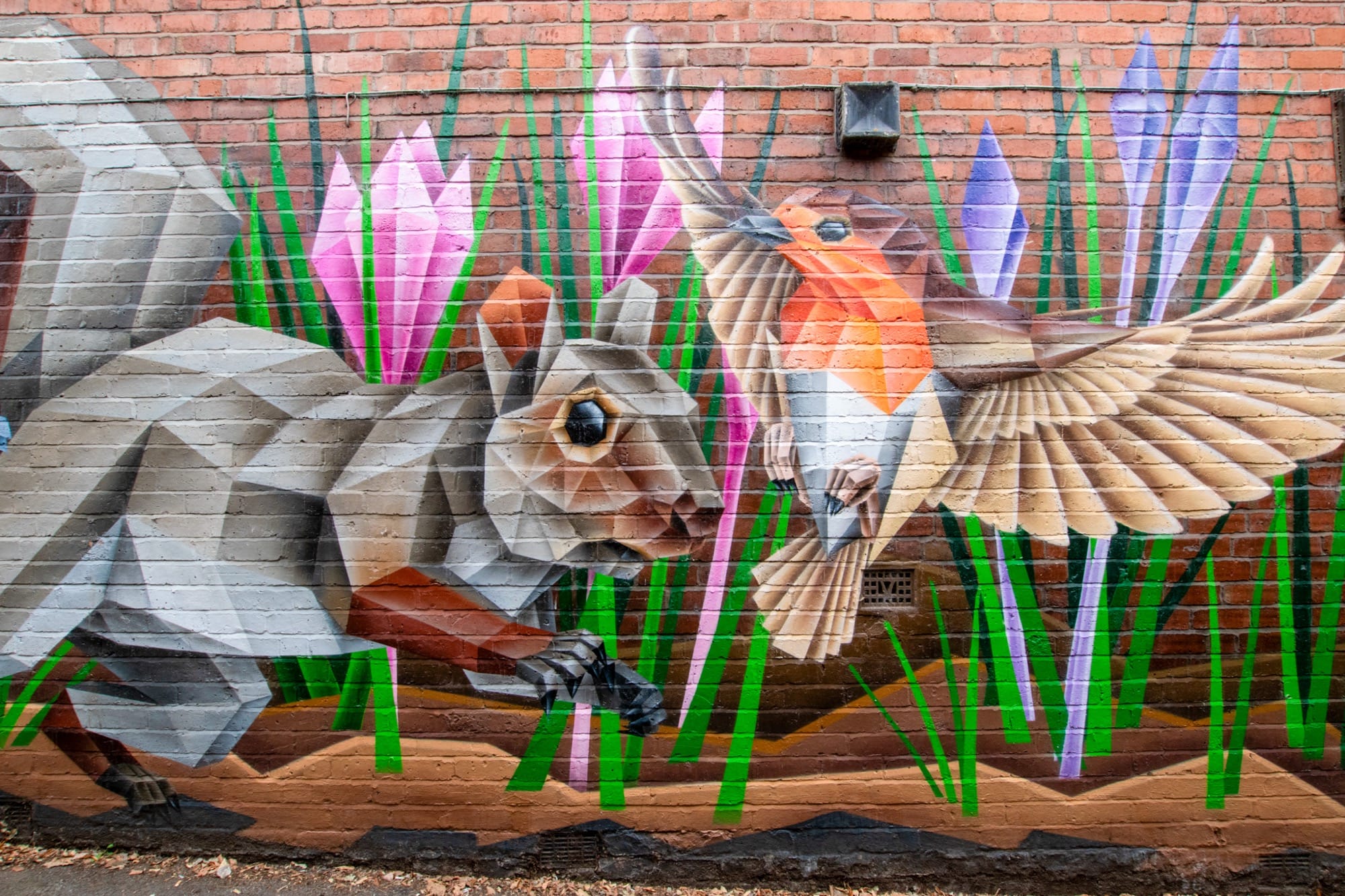
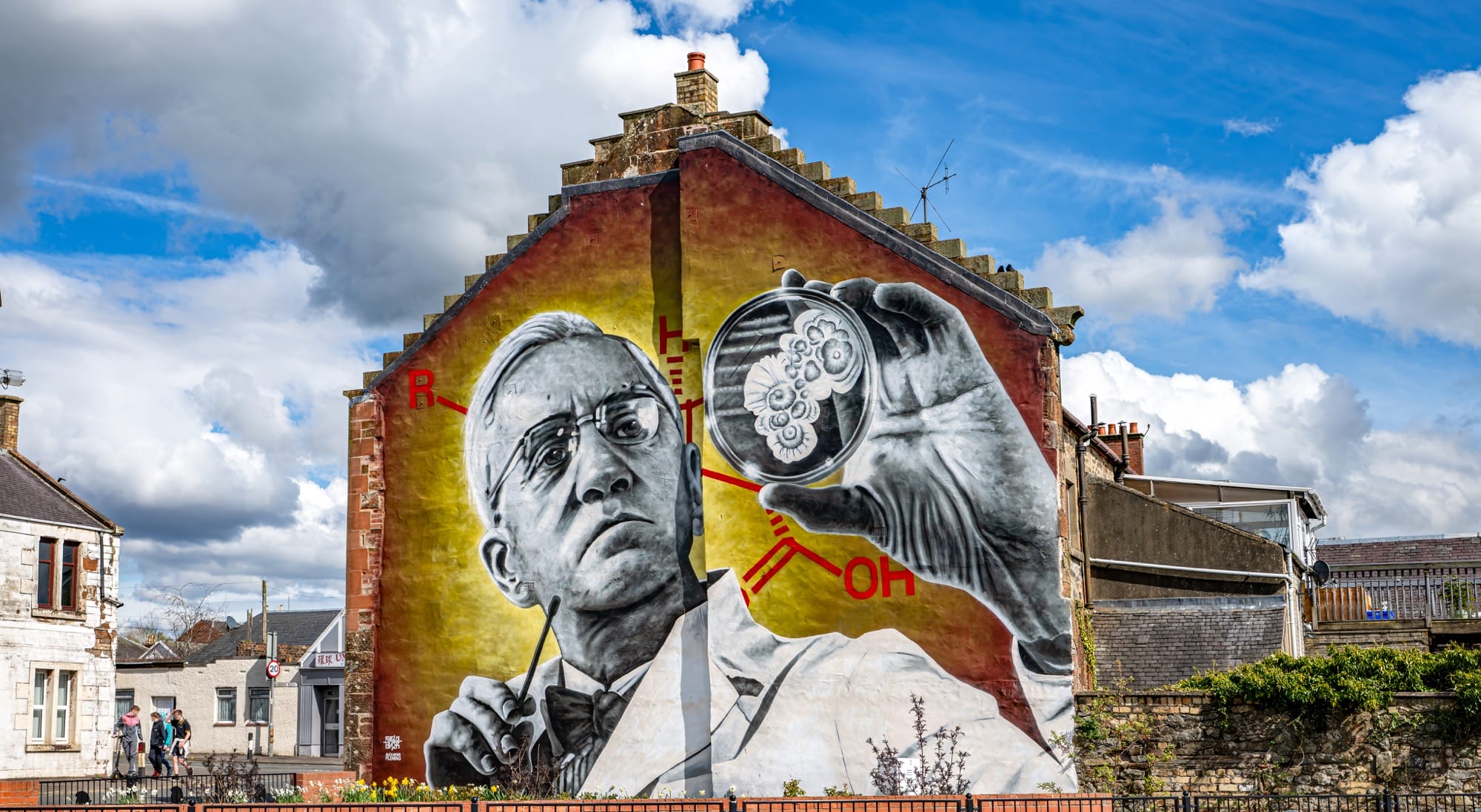
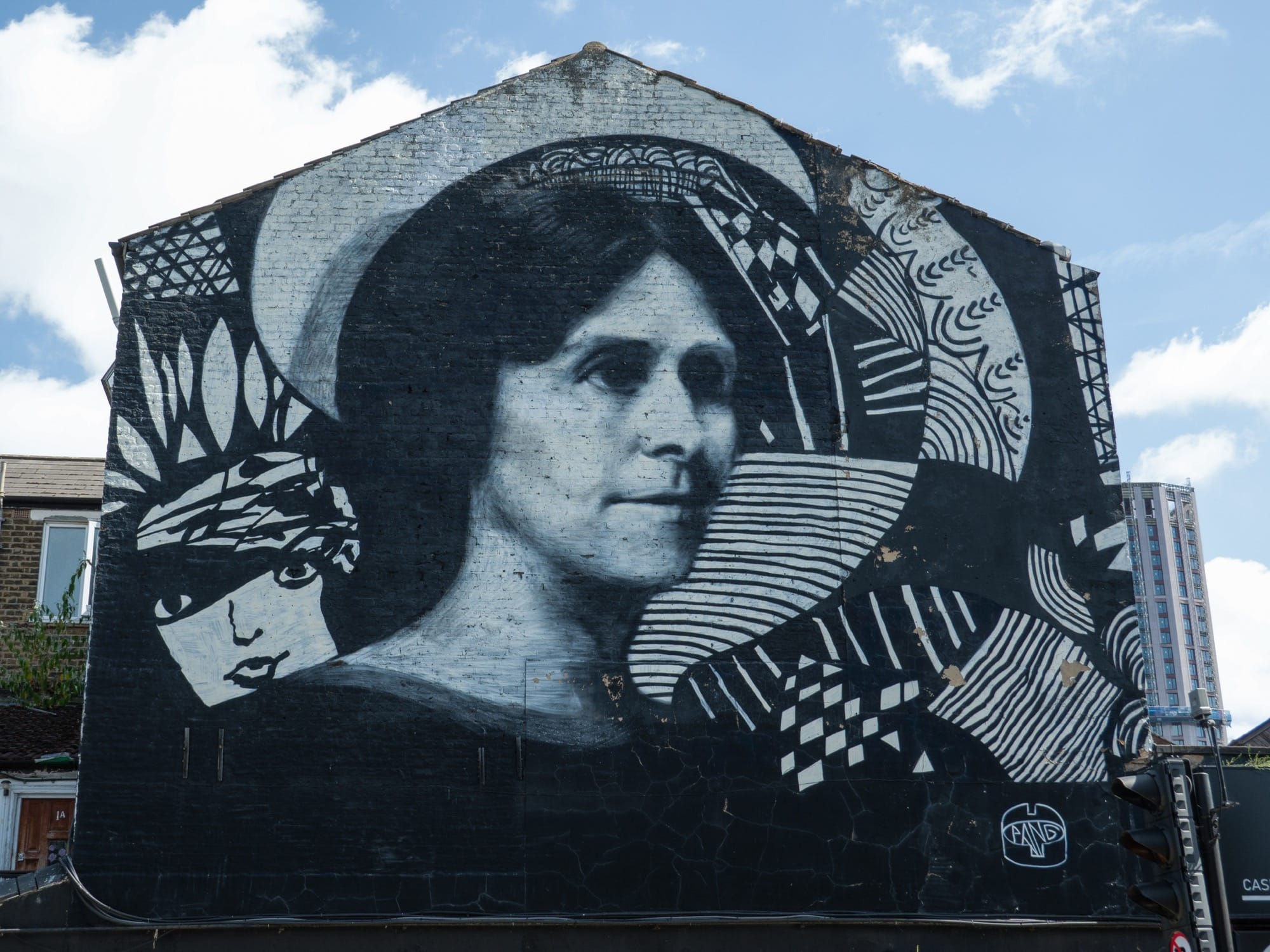
The range is mind-boggling, from small spray-painted pieces by the notoriously mysterious Banksy to larger-scale works by Rogue One, the London Mural Company, and more. “The original aim of this project was simple: we wanted to document 5,000 murals and works of art on walls from across the UK,” says Tracy Jenkins, public art manager at Art UK. “These works of art date from 1000 AD to the present day and include historic church murals, postwar ceramic and concrete works, and contemporary murals and mosaics.”
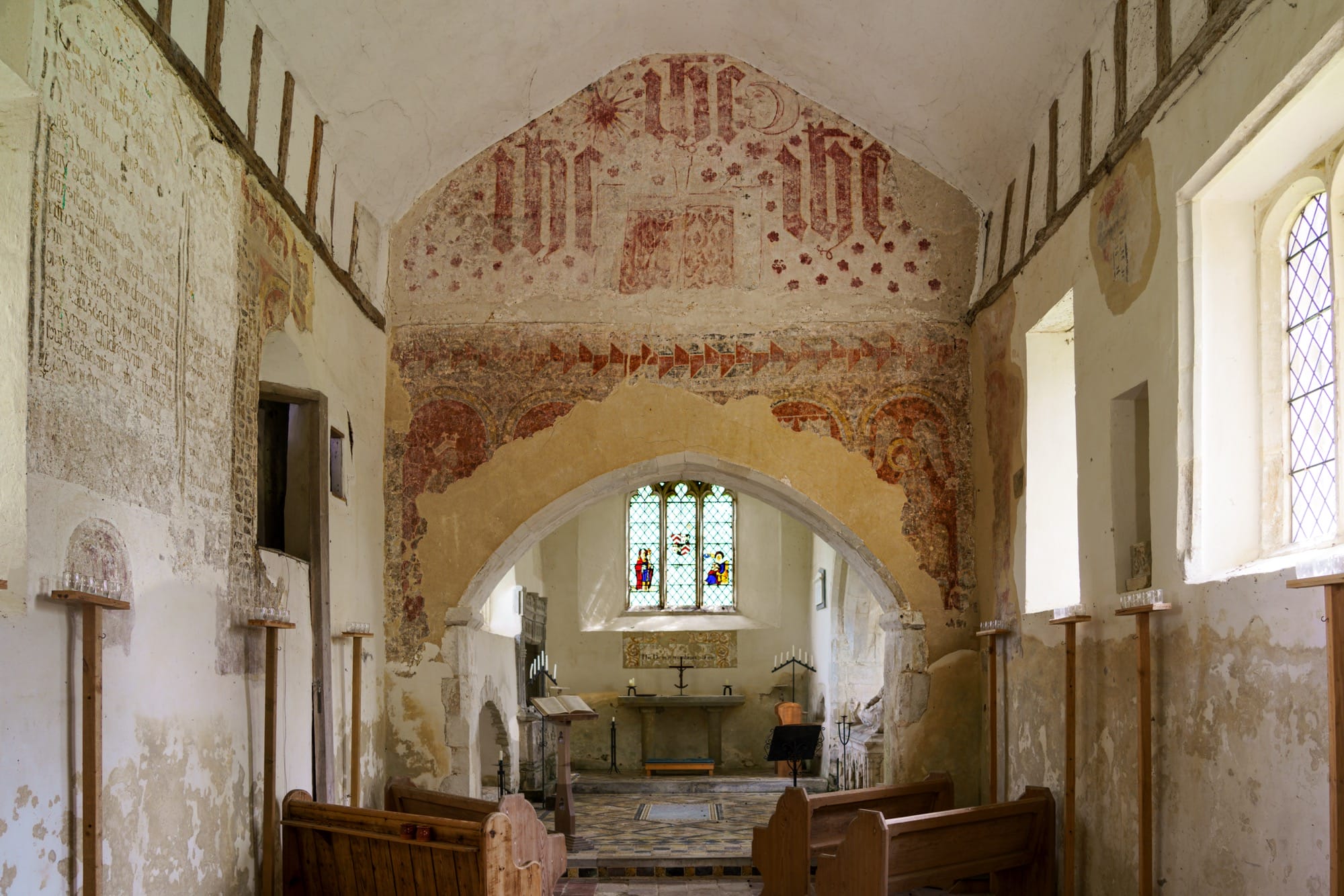
Volunteers spent more than 5,000 hours discovering and photographing the pieces. The database, many of which are now decades old, highlights their location and condition in case they may be threatened by future redevelopment. Although most of the works are relatively recent, Art UK doesn’t differentiate between date or even outdoors. For example, the series of otherworldly paintings in St Thomas’ Church in East Shefford, Berkshire, are centuries old.
Jenkins points out that the project was launched at a time when street art and mural-making were booming in the UK, and that adding these aesthetic installations within an urban context “has been proven to significantly reduce instances of unsightly tagging and graffiti, in addition to boosting visitors and the local economy.” She also acknowledges that “Public art, in any form, can spark debate and evoke strong emotions. Street art and murals are in many ways the most democratic genre. They are not created in a remote studio, are not locked behind closed doors, and require no prior expertise.”
Creating an archive of street art and murals is a way to increase engagement, deepen understanding of the medium, and promote what Jenkins calls a sense of “community ownership and pride,” delighting in moments of artistic, informative, playful, and celebratory work on street corners. Please see some additional information below and explore the Art UK website database.
#Explore #Art #UKs #digital #database #street #art #murals