
Workers at the Mazzot Aviv factory left the production line, stopped machinery, and entered protected areas one to three times a day while air raid sirens were blaring. But the disruption didn’t stop management from producing packaging for Jews across Israel and around the world ahead of Passover.
“No two Passovers are the same,” said Norm Wolfe, the fifth-generation manager of the plant, along with his brother David and son Roy, who represent the sixth generation.
Baking matzo at the Mazzotto Aviv factory
(Video: Shiloh Fredo)

“Every Passover we have different events. For example, this year we’re working under war and missile fire, and our employees go to shelters about three times a day. We’ve worked here with masks and capsules during the Six-Day War, the Yom Kippur War, the Gulf War, and even during the coronavirus pandemic. We have a history here that goes back to the Revolutionary War and the British Mandate,” he said.
“Our flour warehouse once housed the Haganah’s main arsenal. The Davidka mortar, developed by David Leibowitz, was actually built here and the flour is located here today. There is a history of matzah here, and a broader history as well,” Roy added.
The factory has been operating at full capacity for the past few weeks, starting preparing matzah the day after Simchat Torah and operating throughout the winter. Large shipments are still being shipped, and Deputy CEO Roy has already ordered ingredients for next year’s Passover production.
5 View gallery
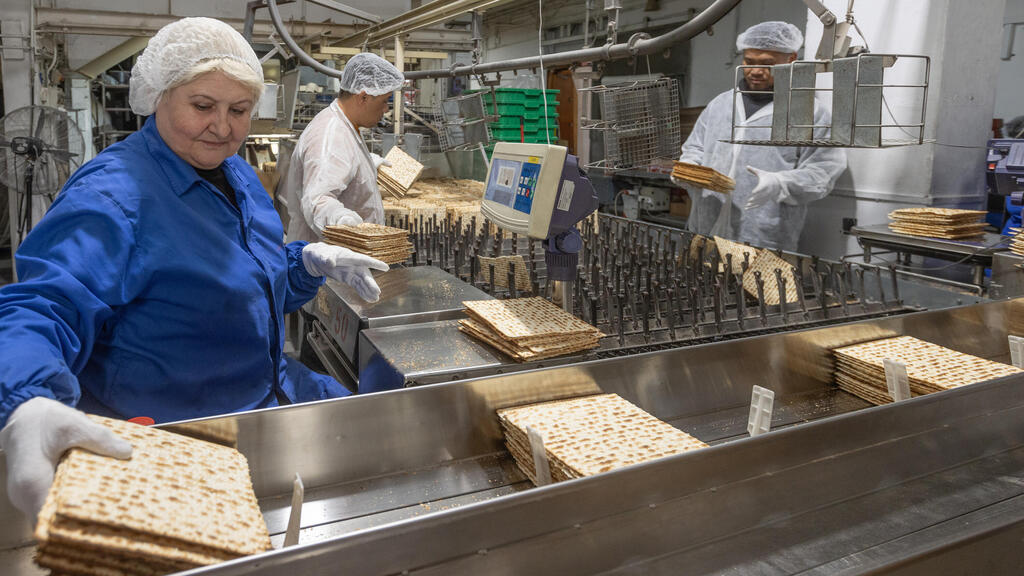
on the production line
(Photo: Ido Erez)
In addition to matzah, the factory also produces cookies, crackers, and health products year-round. For the Wolf family, Matzot Aviv is much more than just a business.
“There is a sense of mission and continuity beyond the business itself,” Roy said. “Not everyone has the privilege of being part of a six-generation tradition. For us, it is a great pride. There is no concept of retirement in our family. For example, my grandmother worked until she was 93 years old, but stopped coming to the factory in the last year of her life. This is much more than just a business. This is a deep family and personal commitment that unites generations and continues to this day.”
5 View gallery
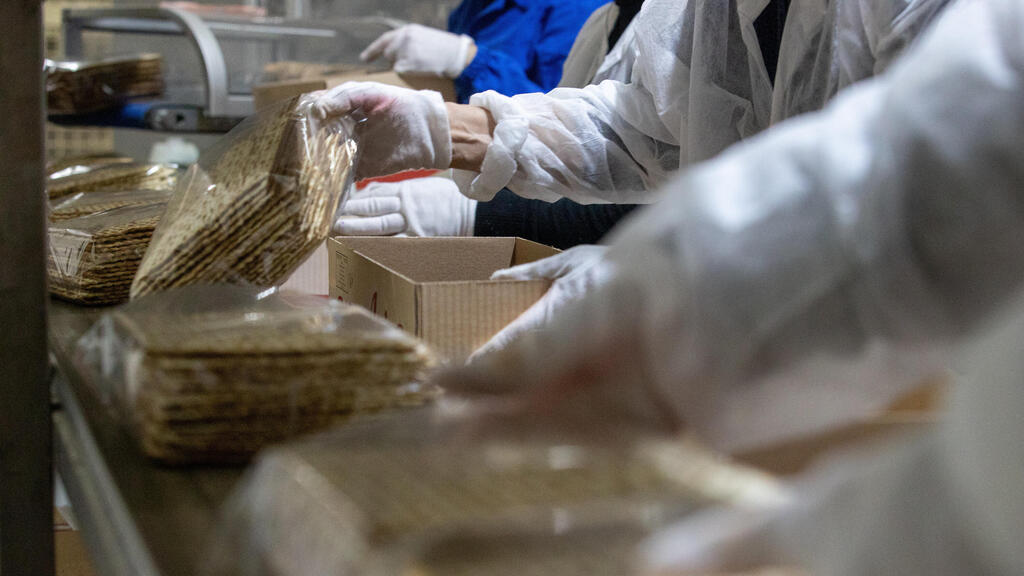
“A deep family and personal commitment that unites generations and continues to this day.”
(Photo: Ido Erez)
5 View gallery
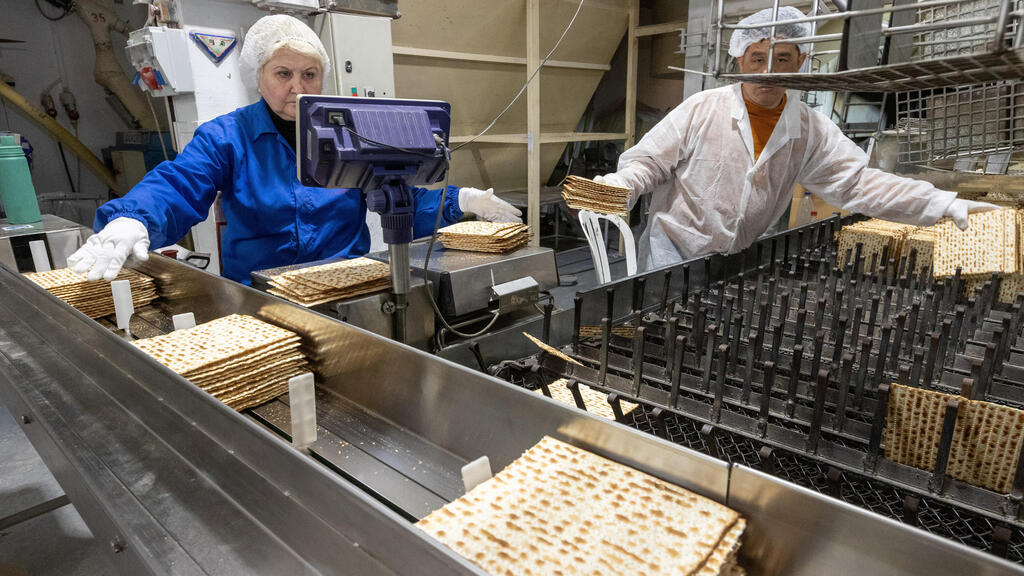
The transition from hand production to machine production was a turning point.
( Photo: Ido Erez)
He described the factory’s early days, first in Bnei Brak and later in Petah Tikva. “When the Bnei Brak factory was established, the entire area was in ruins. Jabotinsky Street was a dirt road, surrounded by transit camps and almond fields. “For many years, we mainly produced matzah and matzah flour. It was a relatively simple operation with few products and direct operations,” he said, pointing to what is now the center of Bnei Brak. Transit camps are inhabited. ”
A major turning point in the matzah industry occurred with the transition from manual to mechanical production. These early machines were much less advanced than those of today, and this change caused controversy.
“Initially, matzah was all handmade, but as the country’s population grew, it became increasingly difficult to meet demand using traditional methods,” Roy said. “At that point, Rabbi Kook authorized the use of machinery for matzah production, which greatly increased production to meet the needs of the growing community.”
5 View gallery
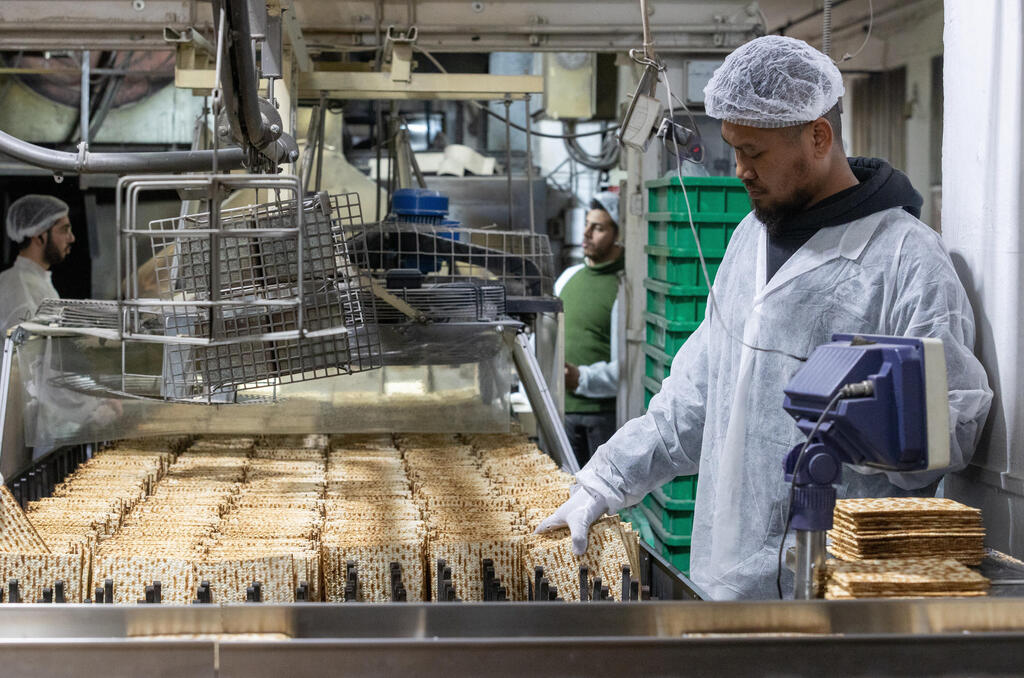
Most of the world’s matzah production is concentrated in Israel.
(Photo: Ido Erez)
In the past, nearly every Jewish community around the world operated their own local matzah bakery, as imports were not easy, due in part to international trade restrictions. But now most of the small family-owned bakeries abroad have closed, and the majority of the world’s matzah production is concentrated in Israel.
“Over the years, things have completely changed,” Roy added. “Today, we can’t make a living from matzah alone, so we’re expanding our products further, including our KetoChef brand of sugar-free, gluten-free, ketogenic products and organic crackers. During matzah season, work is very intensive, with shifts sometimes lasting late into the night. At the same time, we export to more than 30 countries and nearly every place with a Jewish community.”
5 View gallery
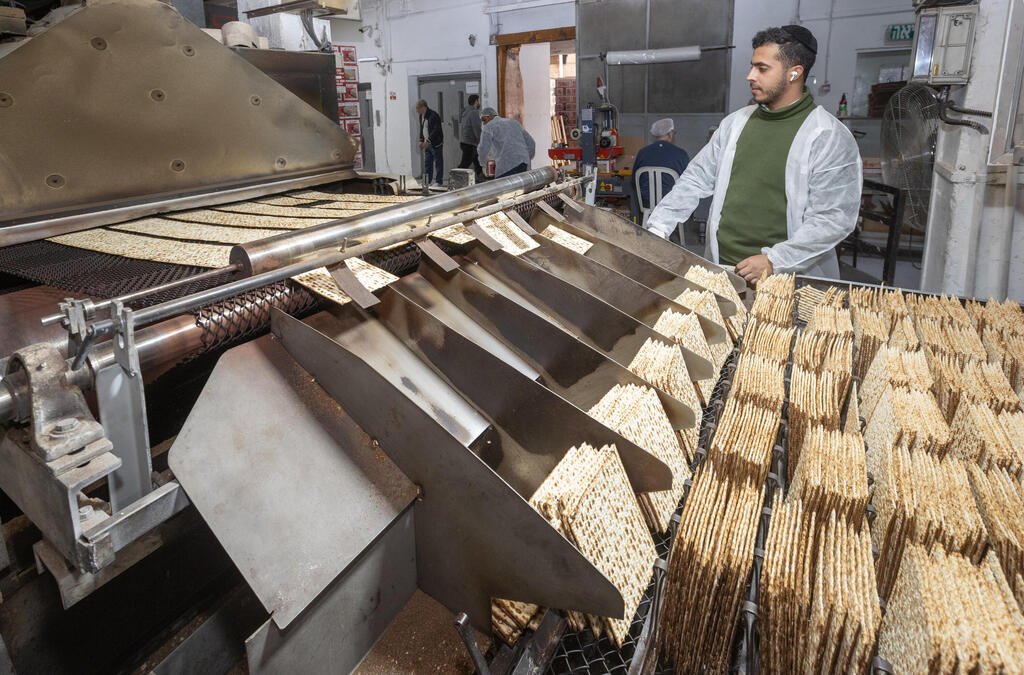
“Overseas, matzah is sometimes consumed year-round, even more than in Israel.”
(Photo: Ido Erez)
Roy pointed out that while the majority of the world’s production is now based in Israel, some factories still operate in countries such as the United States, France and the Netherlands. “Interestingly, matzah can be consumed all year round abroad, even more so than in Israel. I joined this business in 2004 after coming from a completely different field. That same year, we acquired an old cookie factory, which allowed us to expand our operations and operations throughout the year, not just during Passover.”
Despite the changes, the business remains strongly family-oriented. “I work with my father every day, and despite his age, he still comes to work and works until the afternoon,” says Roy. “It has many advantages. There is always someone to support you and there is a real sense of partnership that allows us to complement each other and work efficiently.”
#Israeli #family #factory #bakes #matzah #millions #missile #attack