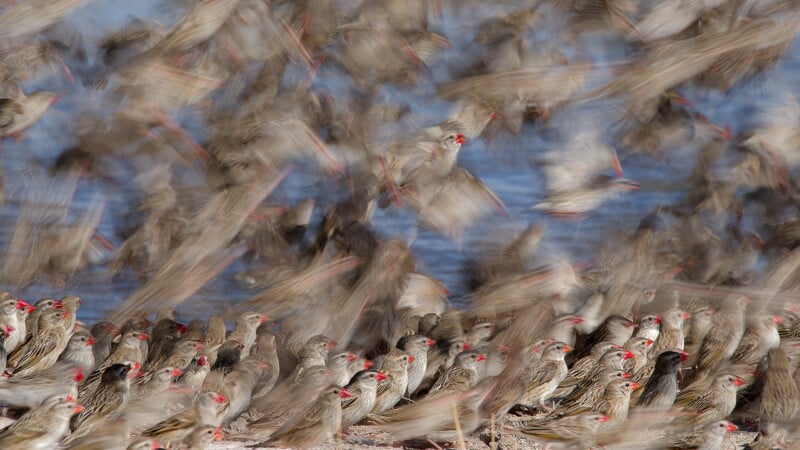
In the modern era of wildlife photography, I find myself thinking more and more about the balance between technological advancement and authentic photographic skill. The rise of advanced mirrorless cameras, AI autofocus, fast burst rates, and powerful editing software has enabled many photographers to create technically sound images with relatively minimal effort.
But has the focus of wildlife photography changed as a result? Are we losing something important in the process, or have the standards truly been raised, as reflected in the many high-quality bird-in-flight images we see today?
I started my photography journey in the slide days and transitioned to digital photography in the early 2000s. I have worked extensively with the Canon EOS-1D Mark II. This is an 8-megapixel camera that can process 8 frames per second over a limited ISO range. Despite its limitations, this camera allowed us to create internationally recognized images. This shows that skill, timing and understanding are still at the core of outstanding wildlife photography.
Dependence on technology vs. dependence on skilled technology
Modern wildlife photographers often rely heavily on computerized cameras and editing software. Tools like animal eye tracking, subject recognition, and AI-driven autofocus help even beginners create crisp, well-exposed images. Post-processing platforms like Lightroom and Photoshop allow you to correct exposure, adjust composition, and enhance color in ways that weren’t possible 20 years ago.
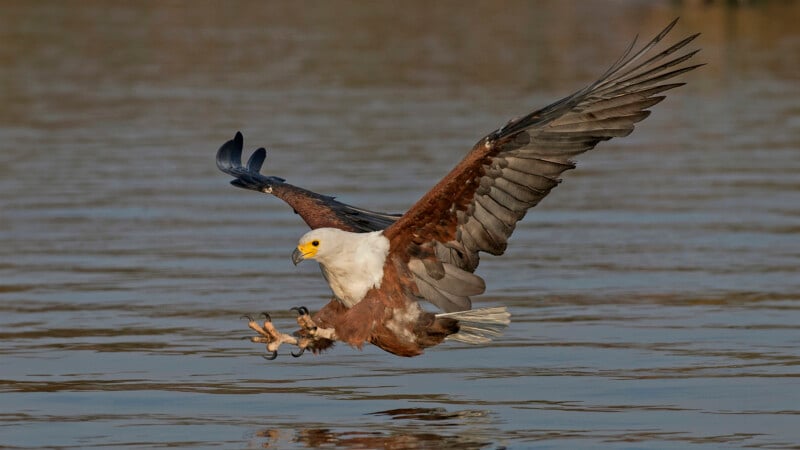
But truly great wildlife photography relies on qualities that cannot be replicated with technology: patience, anticipation, deep behavioral understanding, and scene awareness. These are still the deciding factors that separate technically good images from truly memorable ones.
Speed, resolution, and the rise of reactive photography
Today’s high frame rates (30-60 fps) and pre-buffering capabilities allow photographers to capture moments that might otherwise be missed. Also, the large sensor facilitates trimming. This means that many of the compositional decisions are deferred to the editing stage rather than being deliberately worked out on site.
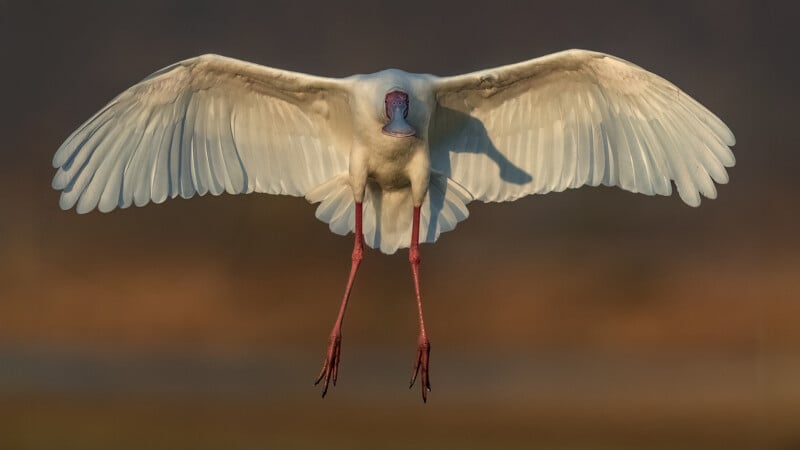
While this increases success rates, it often promotes a reactive rather than a deliberate approach. Many photographers return from the field with thousands of frames and hope that one or two frames will stand out because of their volume, not their visual sense.
There is nothing inherently wrong with this approach. Technology is a tool, and like any tool, its value depends entirely on how you use it. The danger arises when it replaces the development of core skills. Even technically perfect images can lack impact if they don’t tell a story or convey meaning. The magic of capturing fleeting moments of action through prediction and knowledge is easily lost when automation becomes mainstream.
megapixel question
In my experience, megapixel competition is not necessary. More pixels does not automatically make the image better. High-resolution sensors can add noise in low-light conditions, complicate workflow and storage, and tempt photographers to crop instead of working carefully toward strong field compositions.
Both images described below were taken at ISO 400 using an 8-megapixel sensor. Even though the cropping and processing was minimal, it was still on par with the world’s best works when compared to slide images.
Case study: Improving skills using basic technology
“A moment ago” (2004, Etosha National Park, Namibia)
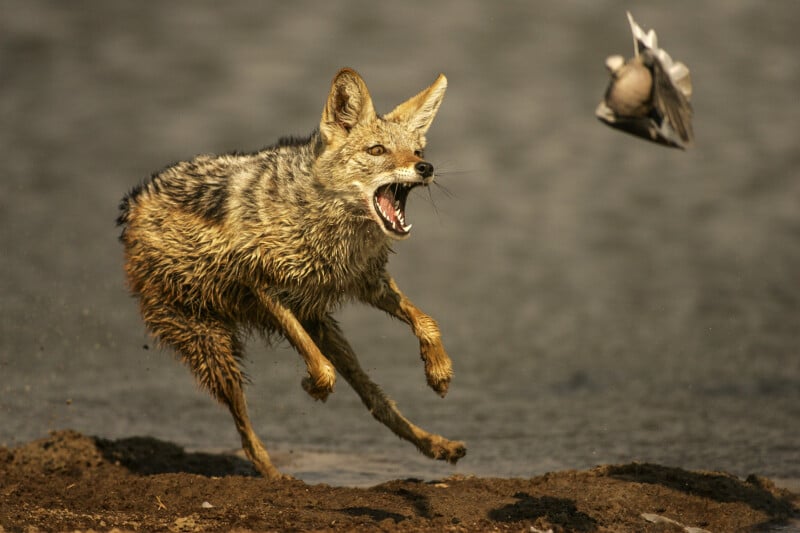
Shot with Canon EOS-1D Mark II and 600mm lens (8MP, 8 fps, limited ISO range)
No trimming. Minimal post-processing
Winner: South Africa’s Wildlife Photographer of the Year (2004)
Winner: Nature’s Best Photography (USA) Mammal Category, exhibited at Smithsonian Institution
Capture (2006, Etosha National Park, Namibia)
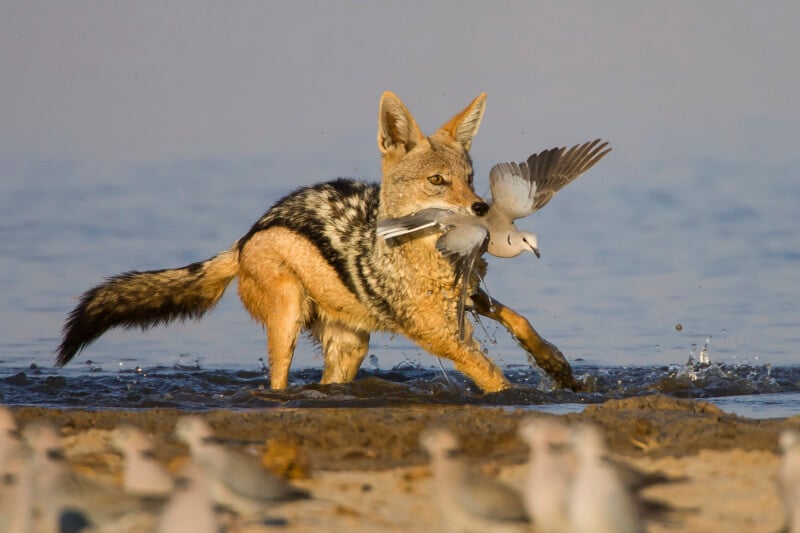
Photographed with a 600mm lens and 2x converter (equivalent to 1200mm)
Approximately 30% was trimmed. minimal processing
Winner: Animal Behavior, Seashell/BBC/Natural History Museum Wildlife Photographer of the Year (2007)
These images were born out of patience, timing, and a deep understanding of action. These skills are still invaluable today. In later years, thousands of similar images of pigeons and sand grouse chasing jackals were taken using modern equipment in the Kalahari Border Park. However, many of the works lacked the originality, timing, and precision that characterized early images.
Where the latest technology truly shines
Modern technology provides great tools, but tools alone cannot create stunning images. Excellence in wildlife photography still comes from field presence, expectations, understanding behavior, and sound decision-making.
What’s especially noteworthy today is that the field skills developed in the era of slower, less durable equipment are directly tied to the more effective use of modern mirrorless systems. Photographers who learned their craft in an era when autofocus was spotty, frame rates were limited, and exposure had to be judged mentally often feel uniquely positioned to take full advantage of today’s advances.
Fieldcraft’s strong foundation allows photographers to use subject recognition autofocus selectively and intelligently. Experience transforms high frame rates from a “spray-and-pray” safety net to a precision tool applied at critical moments. The large 45-megapixel sensor is meant to be a refinement, not a rescue. Pre-capture functionality extends expectations rather than replacing them. Real-time exposure simulation and depth of field preview let you make decisions with confidence without breaking your connection to your subject.
Essentially, photographers with good field skills can benefit the most from modern technology. It’s not because we’re dependent on technology, it’s because we’re using it smarter.
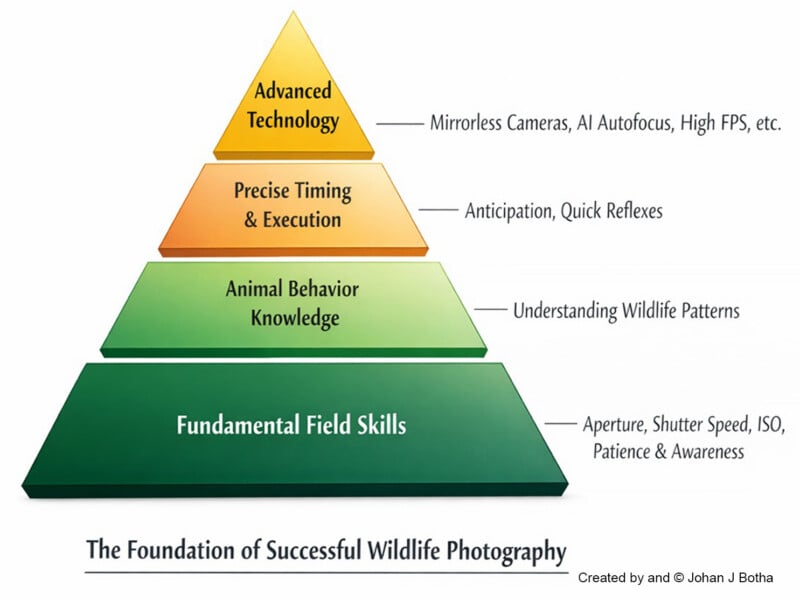
Technology and craft in a changing era
My advice to people looking to get into wildlife photography is simple. Your first investment shouldn’t be the latest equipment or editing software. Master the basics. Understand aperture, shutter speed, ISO, focal length, distance, and light. Study animal behavior. Learn patience. Raise awareness.
The ability to predict what is about to unfold and capture it accurately remains critical to creating truly extraordinary wildlife images. With these basics in place, modern technology can give experienced photographers a decisive advantage over a reactive “spray and pray” approach.
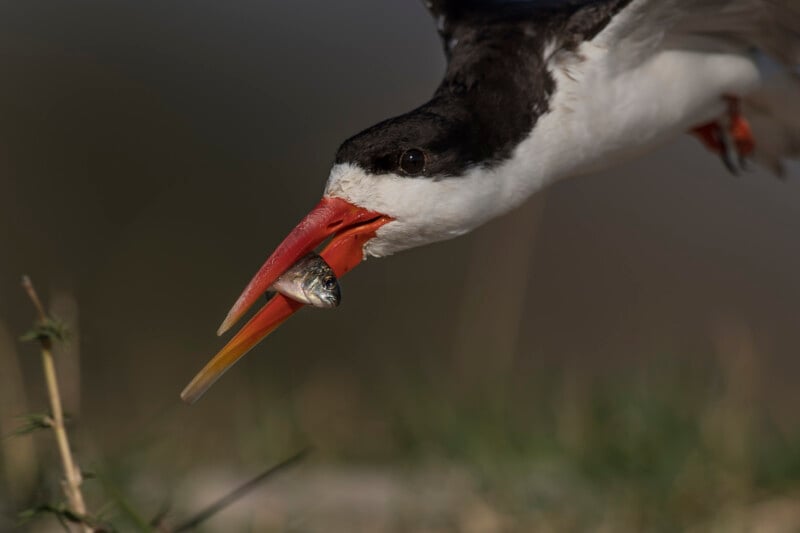
Technology will continue to evolve, perhaps faster than ever before. But the fundamentals of good wildlife photography will always remain the same. On-the-ground skills, behavioral knowledge, anticipation, and a deep understanding of the camera form the basis of success. Modern technology is built on that foundation, and while it is powerful and valuable, it is ultimately only used as a tool to increase the likelihood of capturing truly meaningful moments.
About the author: Johan J. Botha (MPSSA, Hon FPSSA, FAPS, EFIAP, EPSSA, SPSA, ARPS, APSA) has been a photographer for over 30 years, and for the past 15 years has focused primarily on photographing wildlife throughout Africa, including South Africa, Botswana, Namibia, Kenya, Zambia, and Tanzania. He has also photographed extensively in Alaska, Antarctica, South America, Australia, Europe, and the United States.
His main achievements include winning category awards in both the British Natural History Museum’s Wildlife Photographer of the Year competition and Nature’s Best Photography (USA), as well as being named South Africa’s Wildlife Photographer of the Year. His work has been widely published in magazines and calendars and exhibited internationally, including at the Natural History Museum in London and the Smithsonian Institution in Washington. He has won photography awards from the South African, British, American, Australian and FIAP national associations and is the author of two books on wildlife photography. Dr. Botha is an international speaker and has served as a judge at numerous national and international salons and competitions. He has also contributed extensively to photography leadership and management, holding multiple positions within the Photographic Society of South Africa, including Chairman, and PSA Program Director for the Portfolio Division (2023-2025). The opinions expressed above are solely those of the author.
#evolving #role #technology #skills #wildlife #photography