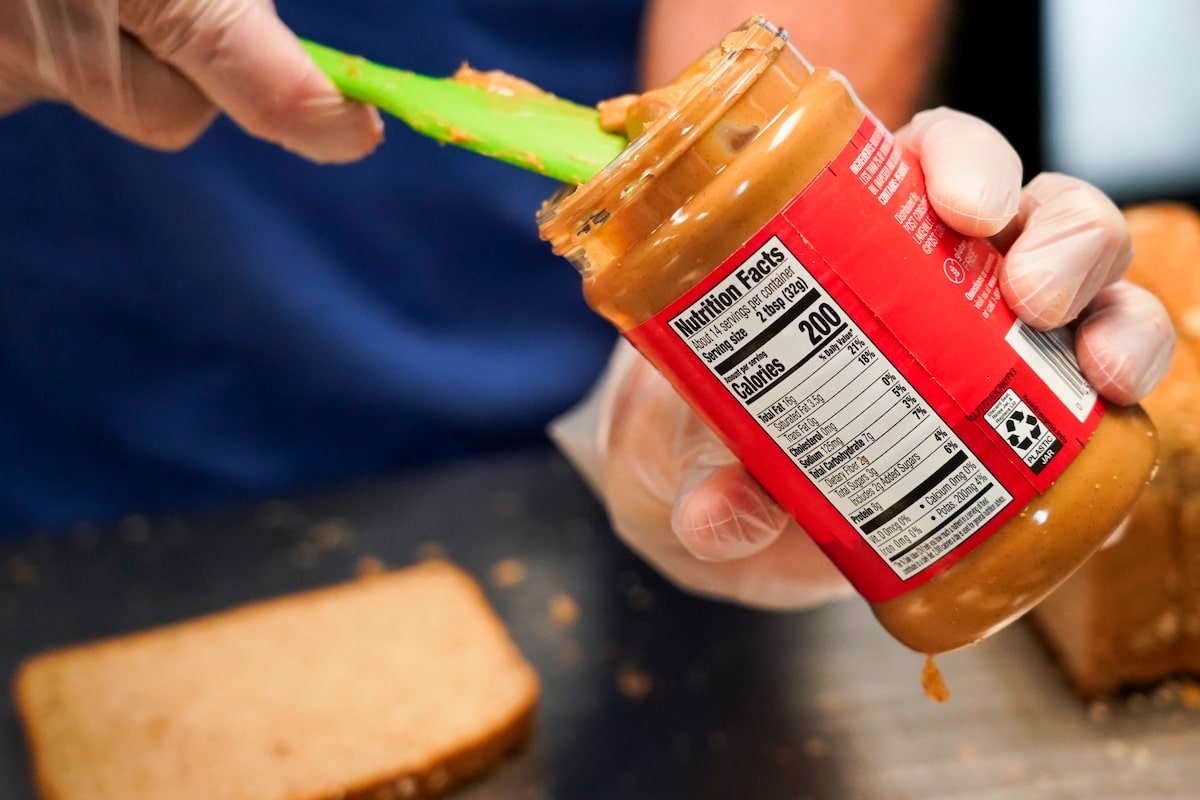
Volunteers assemble peanut butter sandwiches at Kids Meals in Houston, Texas, in September 2023.Jason Fochtman/Associated Press
Nuts are a main component of top-level dietary patterns such as the Mediterranean diet, DASH diet, Portfolio diet, and MIND diet.
Eating one serving (approximately 30 to 45 grams) of nuts at least five times a week as part of a healthy diet is associated with a lower risk of coronary heart disease and type 2 diabetes.
Consistent consumption of nuts lowers LDL (“bad”) cholesterol, reduces inflammation, supports vascular function, and improves insulin sensitivity.
Whole nuts aren’t the only thing worth incorporating into your regular diet.
Nut butters are also important. Nutritionally speaking, 2 tablespoons is equivalent to 30 grams of whole nuts.
Want to slow down brain aging? New research suggests following this diet
Here’s a quick guide to popular nut butters, their signature nutritional content, creative ways to incorporate them into your diet, and nut-free butter alternatives to try.
nut butter ingredients
Natural nut butters contain only one or two ingredients: roasted nuts and sometimes salt. It does not contain any additives to prevent oil separation and must be stirred before use.
No-churn nut butters have fats or oils added to keep the natural oils from separating and floating to the top. For example, major brands of peanut butter contain small amounts of fully hydrogenated vegetable oil to stabilize the butter and give it a creamy, spreadable texture. (Unlike partially hydrogenated fats, which were banned in Canada in 2018, fully hydrogenated fats do not contain harmful trans fats.)
Vegetable oils and additives called mono- and diglycerides are also used to emulsify and stabilize no-stir peanut butter.
Study finds that taking multivitamins may slow the rate of cell aging
Nutrient breakdown of nut butter
Like whole nuts, nut butters contain heart-healthy unsaturated fats, vegetable protein, fiber, vitamins, and minerals.
It is also rich in flavonoids, protective phytochemicals with powerful antioxidant and anti-inflammatory properties.
Here’s a nutritional comparison of popular nut butters based on 2 tablespoon servings.
almond butter
This nutrient-rich nut butter has 195 calories, 7 grams of protein, 3.3 grams of fiber, and 18 grams of fat (83 percent unsaturated fat) per serving.
Almond butter stands out for its vitamin E (8 milligrams) and magnesium content (89 mg). Adults need 15 mg of vitamin E per day. The daily requirement of magnesium is 320 mg for women and 420 mg for men.
Additionally, each serving provides calcium (110 mg) and potassium (240 mg).
peanut butter
Each serving contains 180 calories, 7-8 grams of protein, 1.6 grams of fiber, and 16 grams of fat (75 percent unsaturated fat).
It’s also a good source of brain-friendly vitamin E (3 mg) and niacin (4 mg), a B vitamin essential for healthy skin and nerve function (men and women need 16 mg and 14 mg of niacin per day, respectively).
Peanut butter also provides adequate amounts of folate, magnesium, and potassium.
Light peanut butter has 25% less fat than the regular version and cuts just 10 calories per tablespoon. I don’t see any nutritional benefits.
cashew butter
One serving of this creamy nut butter has 190 calories, 5.6 grams of protein, 0.6 grams of fiber, and 16 grams of fat (76 percent unsaturated). Like almond butter, it’s a good source of magnesium, providing 82 milligrams.
Nutritious nut butters to include in your diet include walnut butter and pistachio nut butter, which are good sources of alpha-linolenic acid (a plant-based omega-3 fatty acid).
For complex flavors, try nut butter blends like almond and pecan, cashew and macadamia, or peanut and hazelnut.
Are you allergic to tree nuts or peanuts? Consider seed butter
Seed butter is similar to nut butter when it comes to calories and amount of protein, fiber, and healthy fats. Some are also good sources of certain vitamins and minerals.
For example, 2 tablespoons of sunflower seed butter is a good source of magnesium (100 mg) and selenium (33 micrograms, more than half a day’s worth), minerals necessary for normal thyroid function.
One serving of pumpkin seed butter contains 9 g of protein, as well as 156 mg of magnesium and the right amount of immune-supporting zinc (2 mg).
Sesame seed butter (tahini) is a good source of B vitamins, iron, and zinc. But its claim to fame is calcium, with one serving providing 130mg.
Beyond PB&J
Besides spreading nut (and seed) butter on bread, there are many delicious ways to use nut butters to add nutrition and flavor to your meals.
Blend nut butter into smoothies and protein shakes, mix it into hot cereal or overnight oats, or layer it into a yogurt parfait.
Make a stir-fry sauce by adding peanut butter, soy sauce, sesame oil, and garlic. Or make a salad dressing using cashew butter, lemon juice, olive oil, and herbs.
Use nut butter to make homemade energy balls or protein bars, or spread it on apple or pear slices for a snack.
Leslie Beck, a Toronto-based dietitian in private practice, is Medcan’s Director of Food and Nutrition.
#Peanuts #almonds #cashews #Nutritional #composition #nut #butters