In a 2017 interview with Fox News, he said he typically goes to bed at midnight or 1 a.m. and wakes up at 5 a.m. to eat, read the newspaper, and watch TV.
“Don’t sleep any more than you have to,” he wrote in his 2004 book.
Experts recommend seven to nine hours of sleep each night, but President Trump’s advice does not follow the best public health evidence.
In a society that values productivity, we increasingly see sleep as a consumable item, something we can trade for working late into the night or binge-watching just one more episode of our favorite show. “I’ll sleep when I die” is a common curt response from young people.
However, there is growing evidence that good sleep is not a luxury and requires the same level of attention as diet and exercise.
Ireland ranks very high when it comes to poor sleeping habits. A 2025 global sleep survey of more than 55,000 people revealed that China had the highest sleep quality scores, Norway the lowest and the US second from bottom.
What happened to Ireland?
49% of us wake up feeling tired almost every day. We rank in the top five for sleep deprivation.
They are also among the worst for waking up multiple times during the night, with 27% waking up more than once.
The modern world has exacerbated this global sleep deprivation phenomenon.
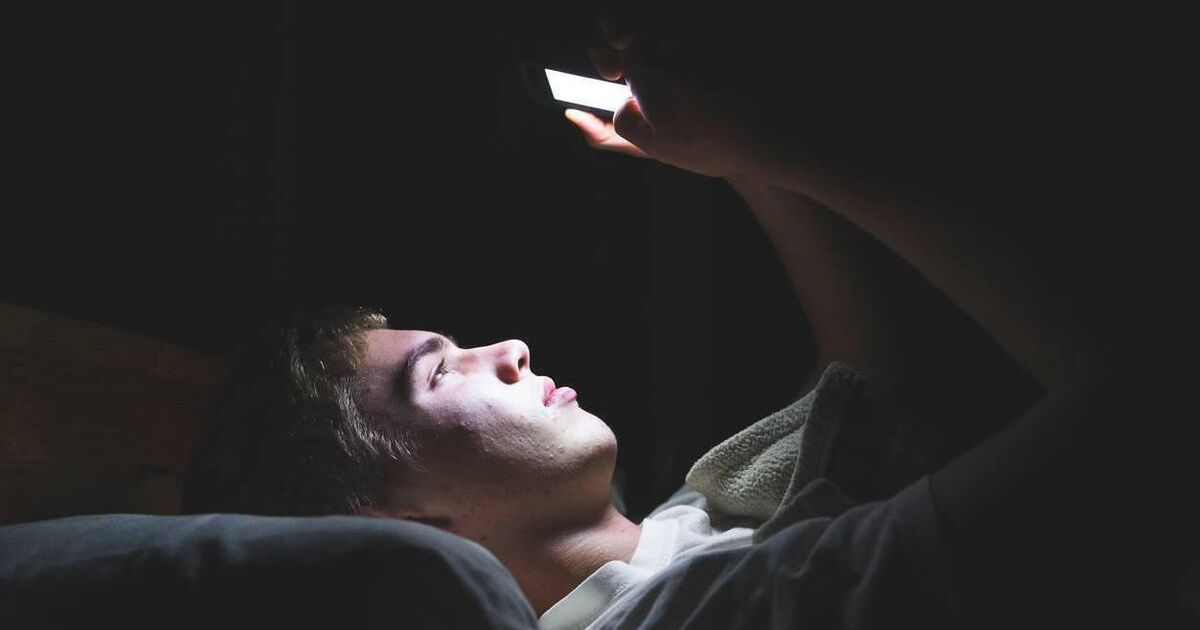
Our always-on digital culture, blue light exposure from screens, late-night caffeine, and erratic schedules are disrupting our natural rhythms. Even small disruptions have measurable impacts. Broadband access has been shown to reduce sleep by nearly 30 minutes each night for some people.
A recent report, Building Healthy Sleep Habits, produced by the UK Vitality Institute in collaboration with the London School of Economics and Political Science (LSE), analyzed more than 47 million nights of sleep recorded across multiple countries. The results showed that healthy sleep patterns directly reduce the risk of hospitalization, illness, and early death.
Not getting enough sleep affects almost every system in our body. Adults who regularly slept less than 6 hours had a 20% increased risk of premature death compared to adults who slept 7 to 8 hours.
And it’s not just physical health. Poor sleep habits double your risk of developing depression, while consistent sleep habits help regulate your emotions and support your ability to face daily challenges and fight stress.
The economic impact is huge. Rand Europe, an independent policy research institute, estimates that sleep deprivation costs countries up to 2% of GDP annually through absenteeism and reduced productivity.
Data from Britain’s Healthiest Workplaces shows that workers who sleep less than six hours a night lose the equivalent of six days of productivity a year.
Rather than thinking of sleep as a passive state that just happens, the researchers suggested that a consistent sleep routine is a habit formed by cues and routines.
Dr Katy Tryon, CEO of Vitality Health UK, suggests that sleep has traditionally been viewed through a clinical lens and has often been associated with disorders rather than everyday behaviors.
“We believe that by reframing sleep as an active health-promoting behavior, similar to physical activity, public perception shifts from being passive, inactive, and even lazy to a behavior that is measurable, improveable, and essential to overall health,” she said.
There is evidence that small, consistent changes can lead to meaningful improvements in sleep quality.
Researchers developed a sleep score. This is to measure how “healthy” a person is sleeping. It confirmed that the regularity or consistency of bedtime was a stronger predictor of health outcomes than total sleep time.
Falling asleep within a given hour reduced mortality rates by almost a third and hospitalization rates by 9%. However, improving sleep duration alone had a much smaller effect, at about 2%.
Researchers have outlined the significant benefits that artificial intelligence can offer in algorithm-driven feeds that detect irregular patterns, late-night activity, and caffeine-related restlessness, and provide reminders to relax and start preparing for bedtime.
An AI-enabled “sleep coach” provides instant rewards like nightly scores and progress badges to keep you committed until good sleep becomes automatic. The allure of addictive technology has now been replaced by technology that teaches us how to rest.
Researchers have made some important recommendations to help with your sleep patterns.
Eliminate daytime saving time to reduce circadian rhythm disruption
Require default blue light filter on devices after dusk
Create quiet urban zones and reduce nighttime pollution
Encourage employees to limit late-night emails and keep shift schedules predictable
Integrating sleep incentives into wellness and insurance programs
Introducing later school start times for teenagers (whose biological clocks naturally slow down) to improve learning and wellbeing
Adopt a workplace culture that respects the right to disconnect, which can restore balance to adulthood.
Economist and LSE Professor Joanne Costafonte says sleep does not exist in isolation, but is intertwined with diet, exercise, stress and social behavior.
“Not getting enough rest can make it difficult to eat healthy and stay active, but regular physical activity and balanced nutrition can promote deeper, more consistent sleep,” he said.
By limiting alcohol and caffeine in the evening, removing cell phones from cool, dark bedrooms, and regularizing bedtimes and wake-up times, we can add important minutes and hours to our sleep habits.
At least in this case, President Trump’s advice about how much sleep you need is fake news.
Smart incentives and digital feedback can lead to measurably improved outcomes and help steer us in the right direction.
In the short term, these changes can make good sleep patterns the norm rather than the exception, and can have a lifelong impact on your health and well-being.
Dr Catherine Conlon is a public health doctor in Cork
#Catherine #Conlon #Sleep…is #important #health #diet #exercise