From 2023 to 2024, photographers Francesco Russo and Luca Pifaretti documented architecture and landscapes across the Ecuadorian coast, the Andes, the Amazon rainforest, the Galapagos Islands, and cities such as Quito, Guayaquil, and Cuenca. This photographic document explores Ecuador’s evolving identity through contemporary architecture, examining how it interacts with its natural environment, urban context, and social context. The resulting archive includes more than 40 projects by prominent local practitioners such as Al Borde, Durán & Hermida, Emilio López, José María Sáez, La Cabina de la Curiosidad, MCM+A, Natura Futura, and RAMA Estudio. This selection shows how, by combining creativity and technology with renewable resources, architecture can create quality spaces that meet modern demands for sustainability and environmental responsibility, despite ongoing economic, climatic and political challenges in Latin America and beyond.
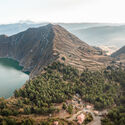
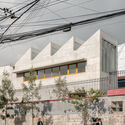
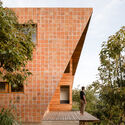
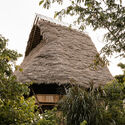
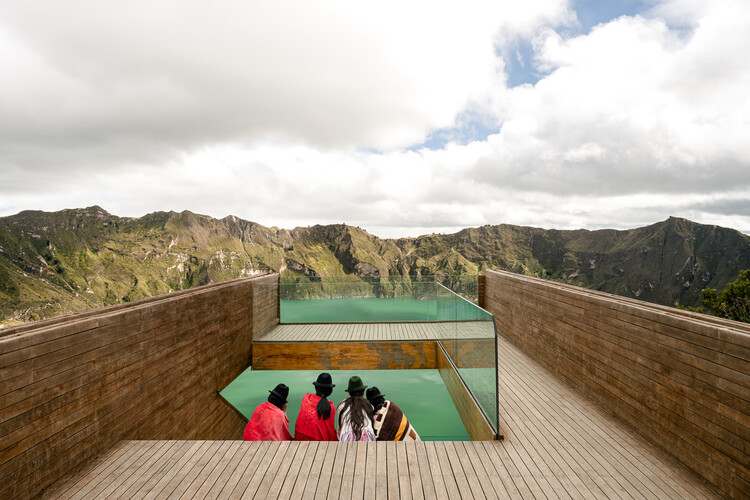
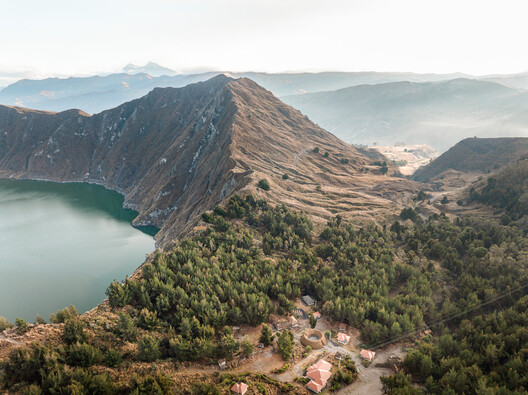
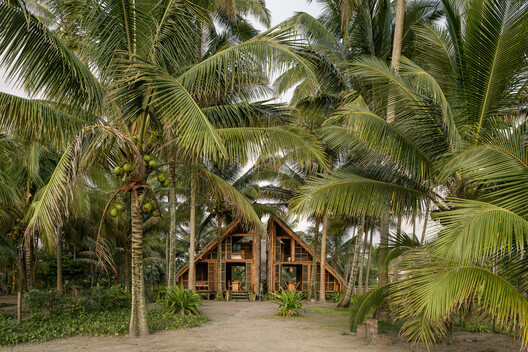
The Republic of Ecuador is located on the equator, borders Colombia, Peru, and the Pacific Ocean, and features some of the most diverse landscapes in the world. It spans four distinct geographic regions: the Andes, the Amazon, the Coast, and the Galapagos Islands, offering vast biodiversity and radically different environments. The stretch of coast along the Pacific Ocean is characterized by lush tropical vegetation, a humid climate and strong agricultural activity, according to the photographers. In the center of the country, the Andes Mountains form a natural north-south divide, with peaks reaching up to 6,000 meters. This mountain range protects and isolates the Amazon region, which stretches east as far as Peru and Brazil. The Galapagos Islands, about 1,000 kilometers to the west in the Pacific Ocean, made famous by Charles Darwin’s visit in the 19th century, are one of the most biodiverse ecosystems on Earth and home to world-famous wildlife and marine life.
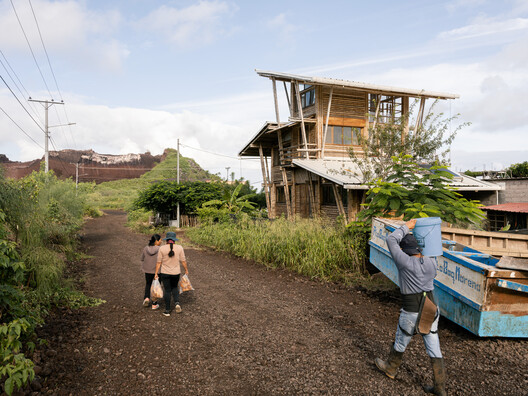
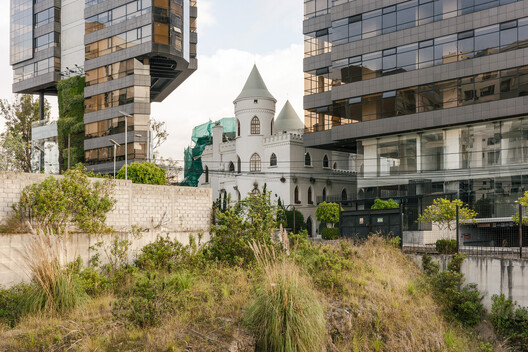
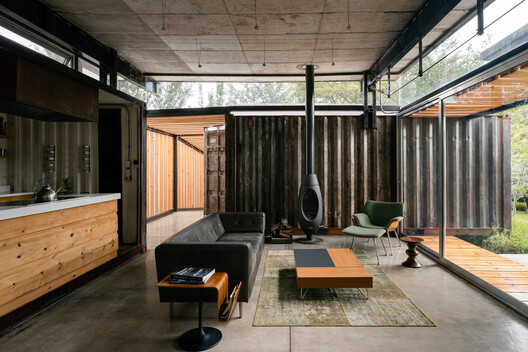
Cities such as Quito, Guayaquil, and Cuenca, which span these diverse regions, are shaped by their geography. The photo series documents Ecuador’s metropolitan areas and shows how modern infrastructure coexists with a rich cultural and historical heritage. Images of contemporary architecture reveal how buildings respond to environmental and geographical diversity, capturing a particular atmosphere formed by regional building techniques, local materials, and context-driven design solutions. The country’s architectural landscape reflects a wide range of practices that address climate change and social and economic challenges. The photographers provide a perspective on how Ecuadorian architects are pushing the boundaries of building technology towards sustainability, creating projects that serve communities across social and economic divides.
Related articles
Ecuadorian architecture: 16 projects rooted in territory, craft, and collective practices
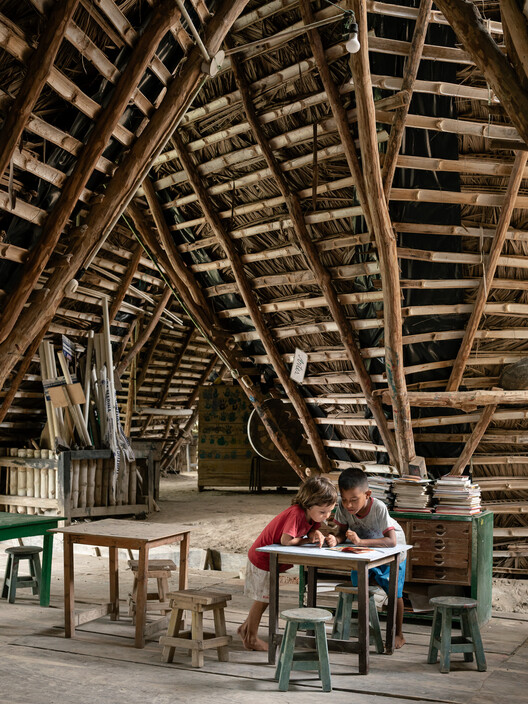
As a result of its multilayered geography, Ecuadorian architecture combines material experimentation and social engagement. According to editor Daniela Andino, architectural practice in Ecuador is increasingly understood as a collaborative, sustainable, and identity-building process, and “their questions shifted the language of design away from what to build and with whom.” The architects work closely with artisans, communities and local industry to redefine the field through workshops, collaborative studios and on-site experimentation, embedding activity into the design process. New academic programs and international references promote growing awareness of climate and social justice, widening the scope for creative responses to environmental and social challenges, often drawing on the ancestral knowledge of indigenous peoples. From the use of palm fronds on coastal roofs to the innovative reuse of recycled materials in the Amazon, the photo series highlights projects that demonstrate this ongoing transformation.
Francesco Russo is a photographer with a background in architecture who works internationally and is based in London and Venice. After graduating in architecture at the IUAV University of Venice and training as an architect, he chose to devote himself completely to architectural photography. Luca Pifaretti is based in London and Switzerland and graduated in Photojournalism from the University of Westminster. His work combines commissions for architects and designers with personal research focused on psychogeographical exploration of his surroundings. Together they co-founded MASS, a London-based collective specializing in documenting the built environment. The group has produced and curated three major exhibitions: Londons (2021), Where the Flow Ends (2024), and Contrasts (2024), and presented Ecuadorian research at the Quito Architecture Biennale (BAQ). They also plan to self-publish a zine, organize educational activities in collaboration with universities and institutions, and turn this Ecuador-focused series into a book.
Other recent architectural photography series include Paul Clemens’ documentation of Kobogen II, a commercial and office complex designed by Ingenhoven architects in Düsseldorf, Germany, highlighting one of Europe’s largest green facades. He also captures the construction of Oscar Niemeyer’s Cristo Rei Cathedral in Belo Horizonte, one of the architect’s last projects. Photographer Mark Goodwin has extended his Architectural Atmosphere Atlas to Belgium, documenting architectural studios in Antwerp, Brussels and Ghent. Many occupy buildings with a rich history, ranging from former workshops and movie theaters to warehouse facilities and waterfront structures. Latin America also features photos of Edmund Sumner. mexican house Covering everything from Tadao Ando’s Casa Wabi in Oaxaca to Rafael Pardo Arquitectos’ Zoncuantla Apartments in Xalapa, it reveals the multilayered stories of place, the blend of tradition and innovation, and the subtle radicalism embedded in contemporary Mexican practice.
#contemporary #architectural #works #Ecuador #photographed #Francesco #Russo #Luca #Piffaretti