
It may seem like every day you pack your lunch box for school.
You need something ready to eat, something that kids will actually eat, and ideally something that will keep them energized and focused throughout the school day.
But here’s the difficult part. Many foods that people consider to be “healthy” lunch box staples may not be as good as you think.
Here’s what to look out for and what to include instead.
Lunch box basics
A balanced lunch box doesn’t have to be complicated. We aim for the following combinations.
- fruits and vegetables
- protein
- dairy products
- whole grain
This combination helps support steady energy, focus, and steady blood sugar levels throughout school.
The fresher the better, as many processed products are low in fiber and may have added sugar, fat, salt, and additives.
In reality, most of us rely on one or two packaged items, and that’s perfectly fine. The key is to know which ones have value and which ones don’t.
Read more: Peanut butter or cottage cheese: which is healthier?
‘Healthy’ foods to reconsider
1. Fruit juice and fruit straps
While they may sound like good options, they are essentially concentrated sources of sugar and do not contain the fiber that whole fruit provides. This can cause blood sugar and energy levels to spike or plummet.
Better choice: Whole fruits such as apples, bananas, berries, and tangerines.
2. Flavored yogurt
Yogurt is a great addition to lunchboxes and is also popular with children. However, many flavored yogurts have added sugar, making them sometimes more like a dessert than a healthy snack.
Better choice: Add fresh fruit to plain or Greek yogurt for natural sweetness.
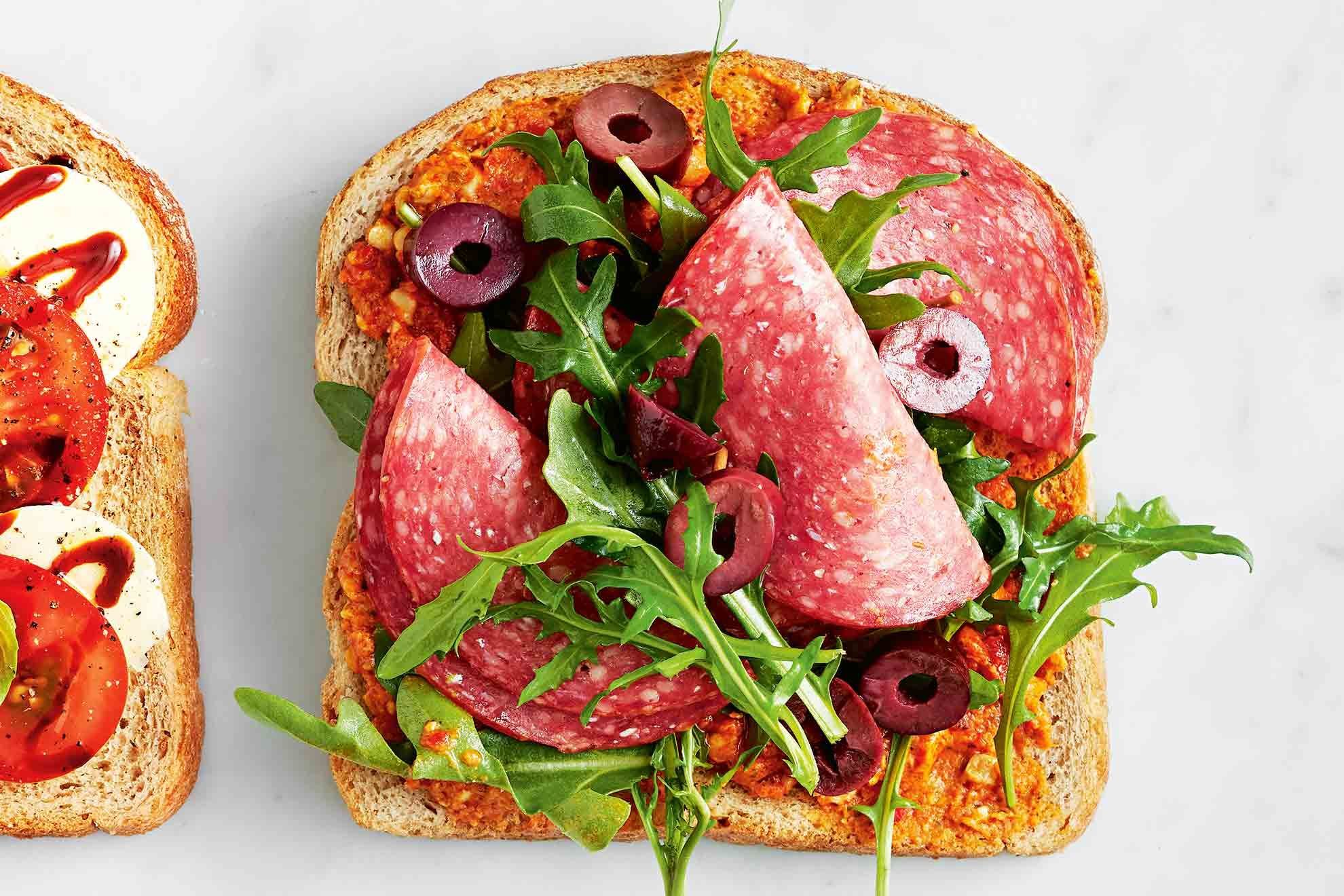
3. Processed meat (ham, salami, frankfurters, etc.)
Although often found as a quick sandwich filling, it is high in salt and preservatives such as nitrates, making it not ideal for regular consumption, especially for children.
Better choice: Grilled chicken, roasted meat, boiled eggs, or canned tuna/salmon.
4. Rice crackers/rice sweets
Rice crackers and wafer-like biscuits are often promoted as “light,” “freshly baked,” and “healthy,” but they’re usually highly processed with added fat and salt, and are often low in fiber and nutrients, meaning they won’t keep kids feeling full for long.
Better choice: Combine whole wheat or seeded crackers with cheese, hummus, or a small can of tuna/salmon.
5. Muesli bar (wrong kind)
Not all muesli bars are created equal. Many have added sugar, chocolate, or syrup, making them more like a sweet biscuit.
Better choice: Oat-based bars with minimal added sugar and simple ingredients.
6. Banana bread and fruit muffins
Essentially, they’re often nothing more than a spooky cake made with refined flour and added sugar that can cause energy levels to spike or plummet, and a lack of concentration.
Better choice: You can also make homemade versions that are sweetened with whole grains and real fruit, or pair smaller versions with a protein source like yogurt for balance.
RELATED: We tested three overnight oats recipes from a nutritionist – one is now my go-to breakfast
What more should I include?

fruits and vegetables
Fresh is best for getting the most fiber and nutrients. Consider easy, low-prep options like baby cucumbers, cherry tomatoes, apples, plums, and bananas. Perfect for a “crispy bite” break in the morning.
Canned fruit is convenient, but choose juice options rather than syrup. It’s good to eat dried fruit once in a while, but keep it in small amounts.
protein
Protein helps children stay full for longer, supporting concentration in the classroom.
Easy options include hard-boiled eggs, cheese, yogurt, tuna, chicken, and leftover meat from dinner.
dairy products
Dairy products provide calcium needed for bone and tooth growth.
Milk, cheese, and yogurt are all great options, but aim for options with as little added sugar as possible.
UHT milk is a convenient non-perishable backup, but be careful when choosing the flavored variety and choose regular milk or compare products to find one with minimal added sugar.
Note: Most dairy products require insulated bags or ice bricks to maintain freshness.
whole grain
Whole grain breads, wraps, and crackers have more fiber and longer-lasting energy than refined white breads.
Even better if your child is tolerant of seeded varieties.
simple lunch ideas
- Baby cucumber, carrot sticks and snow peas with hummus
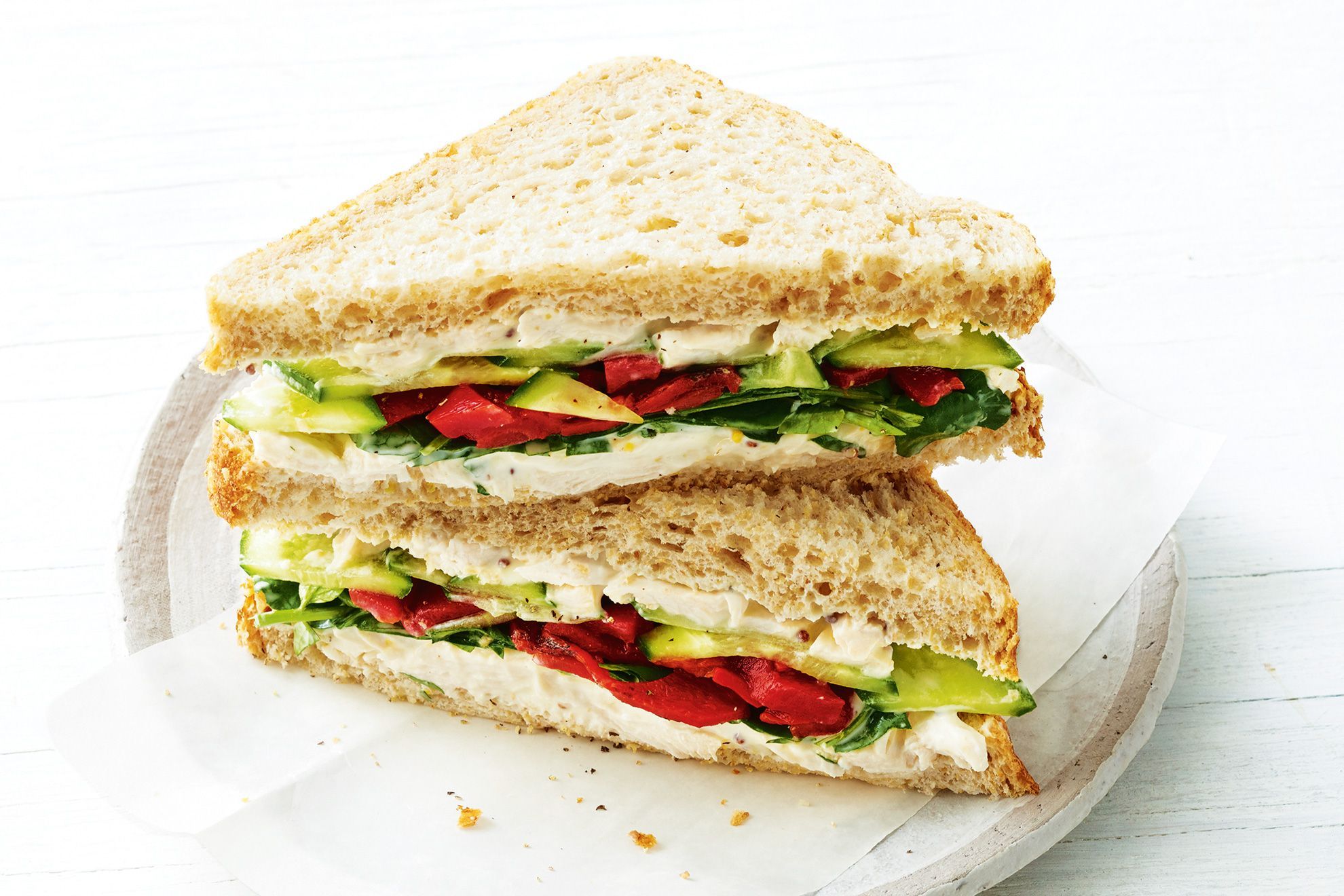
- Whole grain sandwich or chicken and salad wrap
- Thinly sliced corn topped with avocado and tuna
- Popcorn and a small handful of dried fruit
- boiled egg
- Yogurt with fresh berries
- brown rice sushi rolls
- Edamame or roasted chickpeas
- mini vegetable frittata or quiche
reality check
Lunch boxes don’t have to be perfect.
Focus on incorporating a few fresh, nutritious options, and then add in convenient foods that you know your child will eat.
A balanced approach always trumps the “perfect” lunch box that comes home untouched.
Looking for more healthy lunchbox recipes?

Read next: >> Nutritionist releases definitive health ranking of fruits (No. 1 may surprise you)
#Healthy #foods #kids #shouldnt #eat #nutritionist