
Vivienne Westwood holds a special place in the public consciousness, beloved both for her fashion and activism. Her clothes were as instantly recognizable as her red hair, corsets, crinolines, and love of tartan, cementing her place in fashion history. Almost four years after her death, the first retrospective exhibition of her work will be held at the Bowes Museum in County Durham. Vivienne Westwood: Rebel – Visionary – Storytellerfocuses specifically on her formative years working with partner Malcolm McLaren.
“There has not been a major retrospective of Westwood since her death in 2022, so we are honored to be able to display her work on this scale at the Bowes Museum,” explains curator Rachel Whitworth. “Although her work had a wide range of historical references, it was always reflective of its times and has stood the test of time over the longevity of her influence and reputation. The increased interest in Westwood since her death makes this retrospective the perfect opportunity to both remind visitors of her extensive work and introduce her to new generations.”
Westwood has a personal connection to the museum and previously held a major lace exhibition there. Fine and fashionable: lace from the Blackborne collectionback in 2006, she also lent out some works. “This personal connection is reflected in the museum’s collection, which includes many of the types of objects that inspired Westwood at the V&A and the Wallace Collection, including historic fashion, ceramics, paintings, sculpture, metalwork and woodwork,” adds Whitworth. “It was her historical inspiration and similarities with the Bowes Museum’s collection that led private collector Peter Smithson to approach the Bowes Museum in the first place.”
As for the program’s subtitle, Rebel – Visionary – StorytellerWhitworth explains that they were chosen to demonstrate both the progress and circularity of Westwood’s career. “From the beginning, she and Malcolm McLaren rebelled against the mainstream, creating a ‘world’ in their store at 430 King’s Road in London, with different guises depending on theme and movement,” she says. “They encouraged buyers to enter into their ‘stories’ and lifestyles through their clothes. Westwood’s genius for storytelling and creating worlds through the themes of his collections was especially evident in his early to mid-career years. For example, ‘Pirates’ with McLaren (Fall 1981), ‘Harris Tweed (Fall 1987), Dressed Up (Fall 1991). This ability has allowed her style and influence to transcend time and trends throughout the world.” Decades are part of the visionary elements of her story, including her advocacy for environmental issues and political activism that became more prescient as time went on. ”
Here, Whitworth selects six important works from the collection and explains why they are must-sees.
crinoline
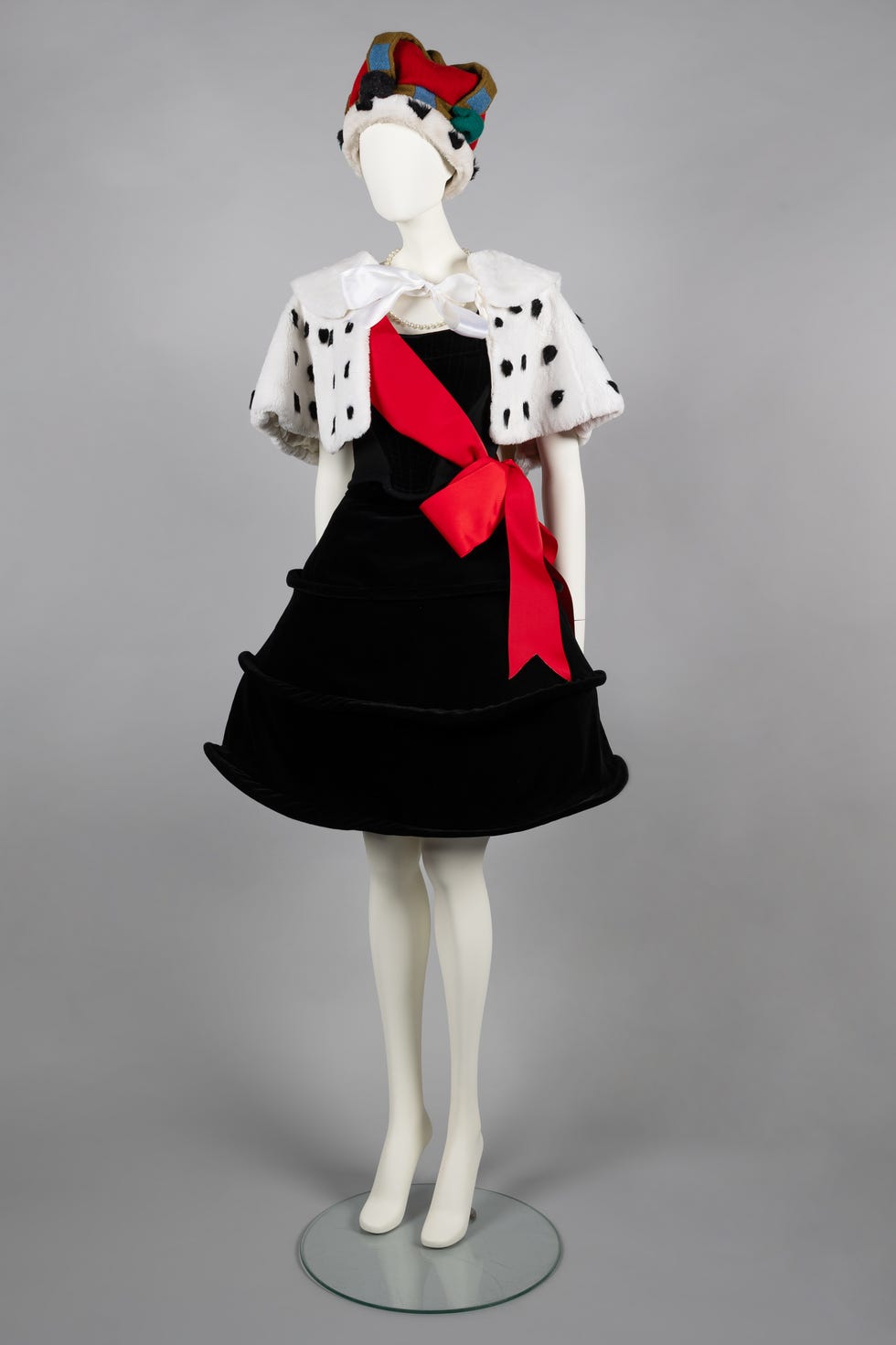
“Westwood is known for drawing inspiration from fashion history, with corsets and crinolines perhaps the most obvious examples.The signature Mini Crini, introduced in Mini Crini (Spring 1986), was inspired by the crinoline, which comes from crun (French for horsehair). Considered one of her most unwearable garments outside of the catwalk, Westwood ensured that its historical influence meets practicality by using flexible plastic bones in its construction.
corset

“The exhibition features several of Westwood’s corsets, both as framed works of art and as part of an ensemble. Westwood She introduced the Statue of Liberty corset in tweed (autumn 1987), which quickly became a signature piece. In previous collections she wore underwear over outerwear, but here the underwear became outerwear in its own right. Westwood made three changes to adapt the historic template to modern wear: the bones were replaced with flexible plastic strips, the side panels were made from elastic fabric, and the laces were replaced with zippers.
the crown
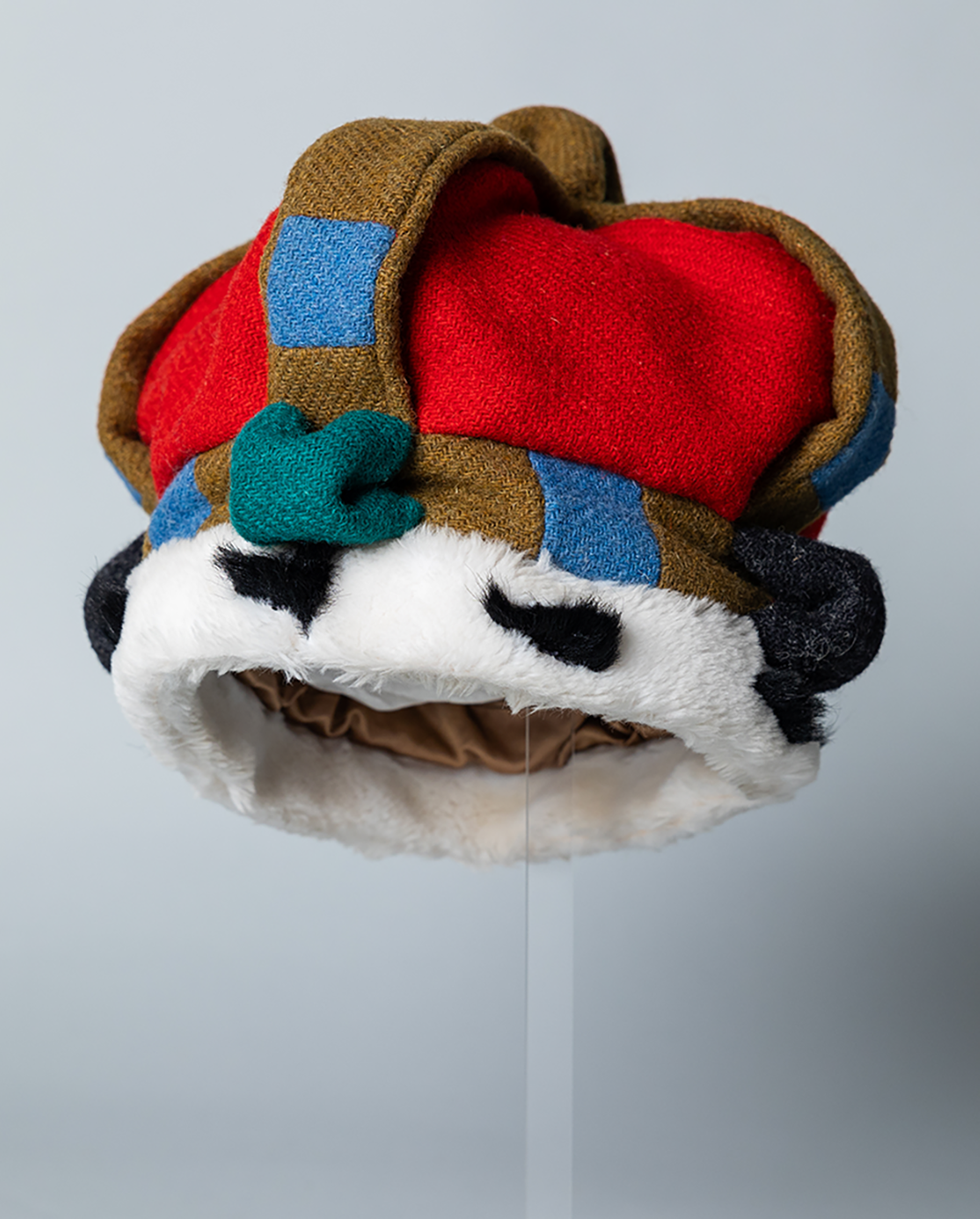
“Harris Tweed (Autumn 1987) also introduced Westwood’s crown. She used the crown to give her collection a royal feel, affectionately referring to Harris Tweed as the Royal Collection. Westwood considered her crown to be very practical and regularly wore it while cycling around London. Its iconic fashion status was recognized by model Sarah Stockbridge in August 1987. Confirmed when worn on the cover of iD magazine, it has become one of Westwood’s most popular crowns.” A recognizable piece that combines humor and tradition. The original design was created by milliner Stephen Jones (born 1957). Jones cut the brightly colored tweed herself, folded the fabric as if doing origami, and added 3D “gems.”
tartan check
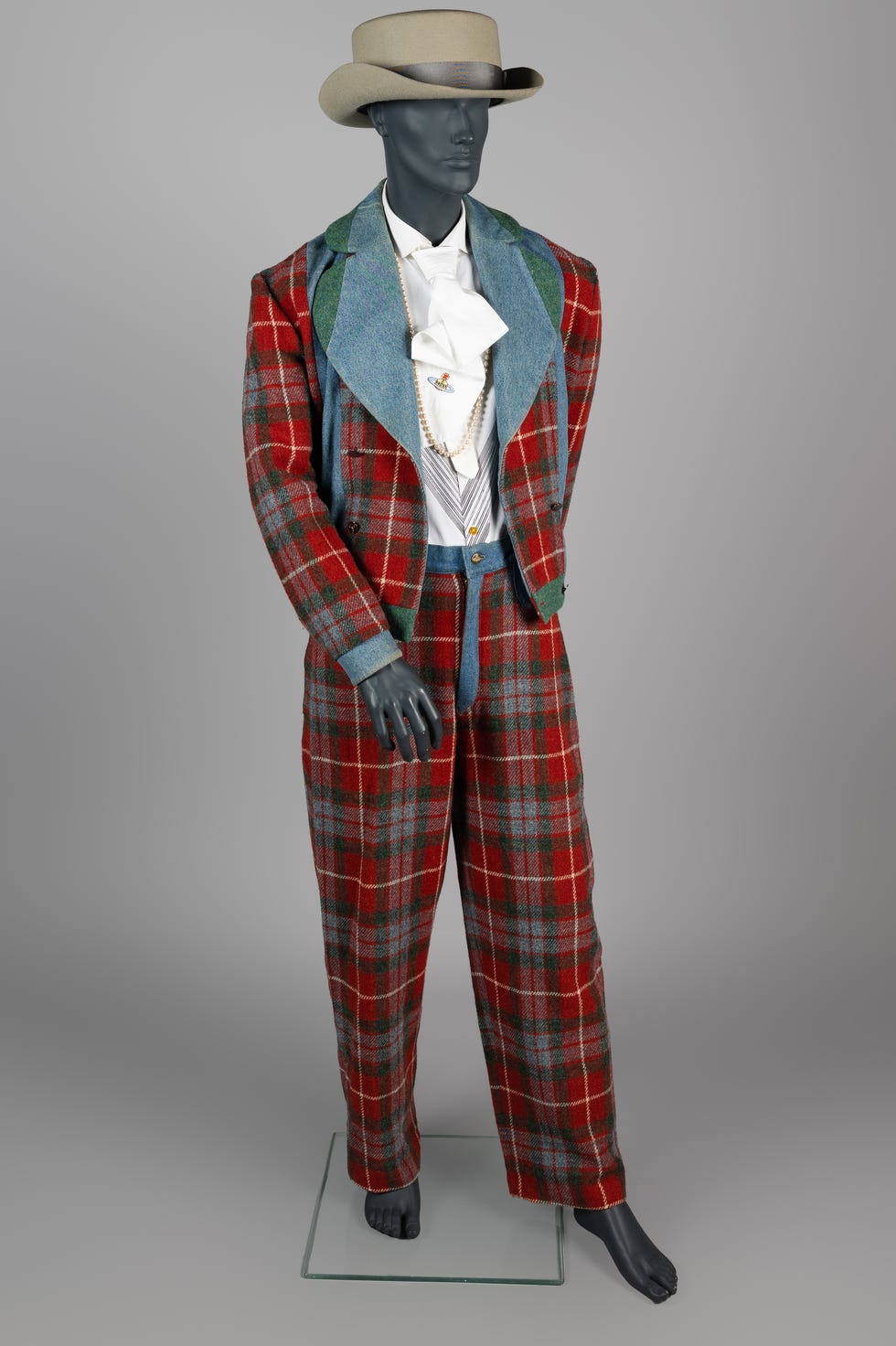
“Tartan has a long history in fashion. It began as a woolen fabric worn for warmth and practicality in the Scottish Highlands, and as it became identified with individual clans, its designs became more colorful and diverse. Having previously used tartan in her Daisy pants, she revisited that pattern throughout her career.For Anglomania (Autumn 1993), she collaborated with weaver Loch Carron.”Scotland utilized the family’s tartan ideas and introduced a number of tartans dedicated to the family. ”
works of art
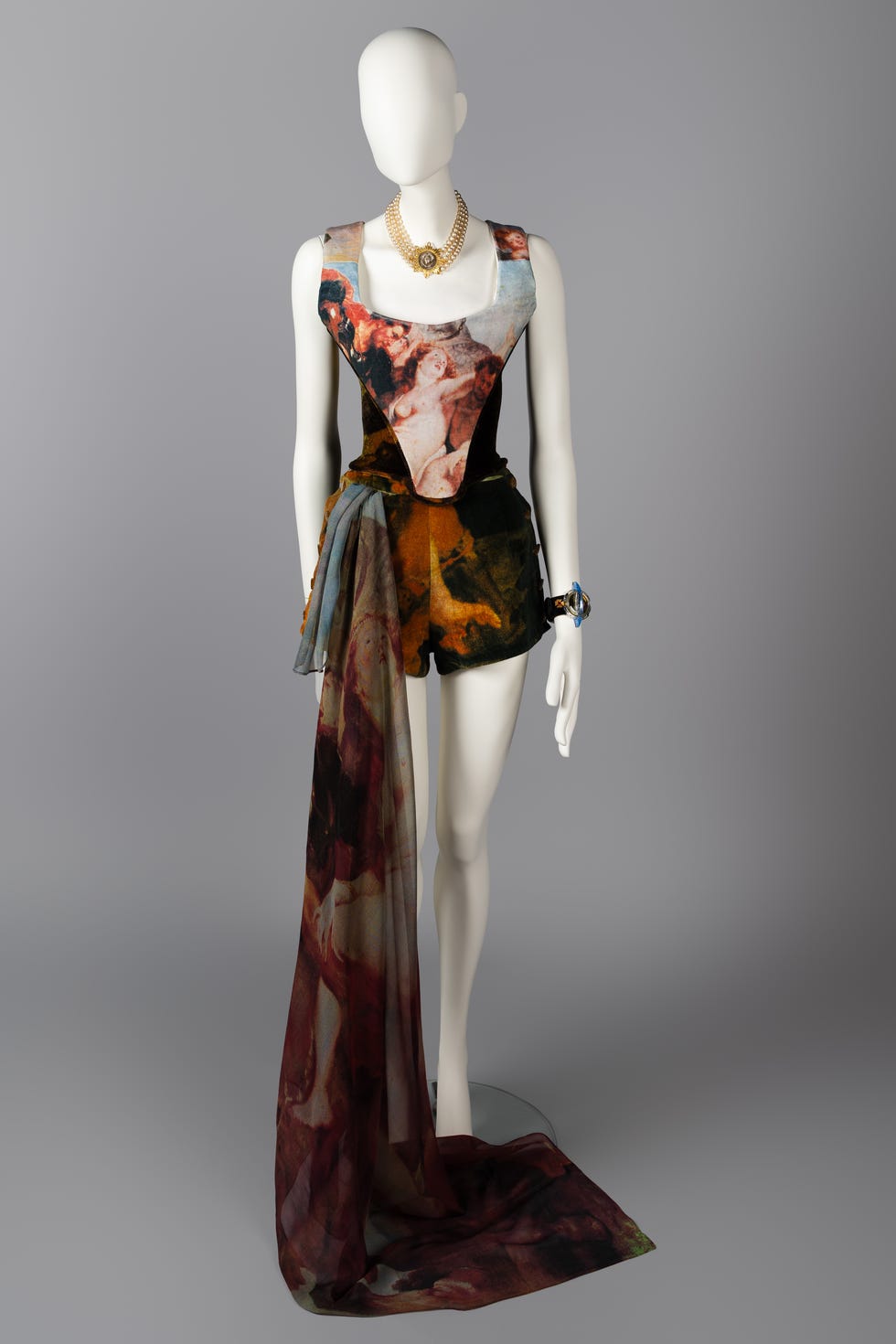
“Westwood drew inspiration from many forms of art, which is a key reason why her work is a perfect fit for the Bowes Museum, which brings together both fine and decorative arts. For example, the title of Voyage to Citella (Autumn 1989) was inspired by the work of artist Jean-Antoine Watteau (1684-1721). Sailing to Kythera (1717), The Birthplace of Aphrodite, in the Louvre Museum, Paris. After his marriage to Andreas Kronthaler in 1992, he and Westwood reimagined the work of history’s greatest artists. They recreated images of François Boucher (1703-1770) and Peter Paul Rubens (1570-1640) in printed fabrics, and named their designs “Hals” shirts and “Gainsborough” blouses after Frans Hals (1582-1666) and Thomas Gainsborough (1727-1788). The all-over printed ensemble was designed to give the impression of wearing an artist’s canvas. ”
tailoring
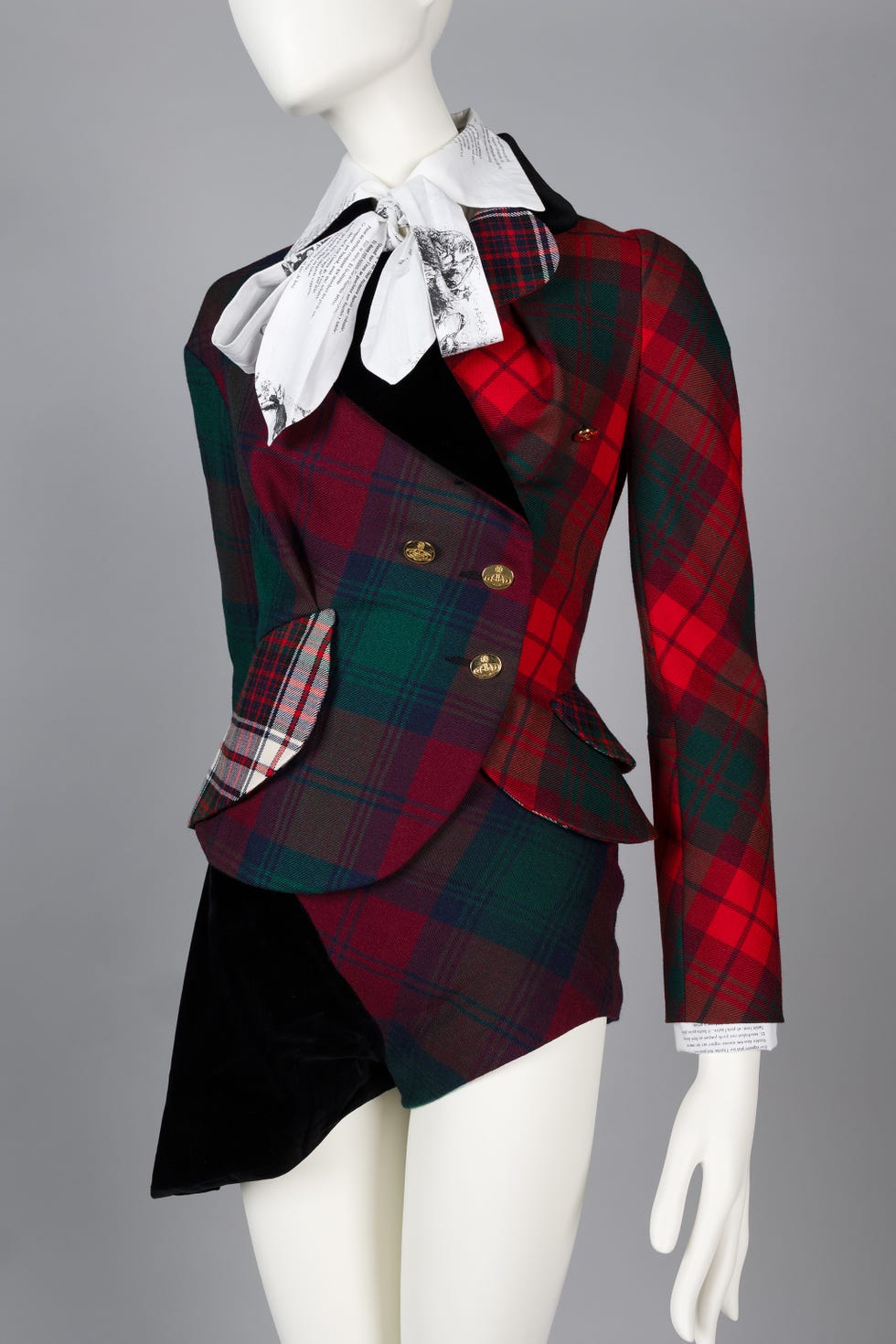
“Along with the torn T-shirts of the punk era, Westwood is also known for her tailoring, primarily for women, but also designing for men. Starting with the Pirate Collection (Fall 1981), she reworked traditional designs into bold new shapes. This is most evident in the jacket: the Bettina jacket, named after the model Bettina Graziani (1925-2015), first appeared at the Grand Hotel (spring). A tight-fitting short jacket with an intricate construction. Two examples include Vive La Cocotte (Fall 1995) and Storm in a Teacup (Fall 1996). Storm in a Teacup’s “Windy Bettina” jacket is further complicated by its bias cut.
Vivienne Westwood: Rebel – Visionary – Storyteller will be held at Bowes Museum, Barnard Castle, County Durham, from 28 March to 6 September 2026.
#mustsee #works #Britains #Vivienne #Westwood #exhibition