Medical review by Jonathan Purtell, RDN
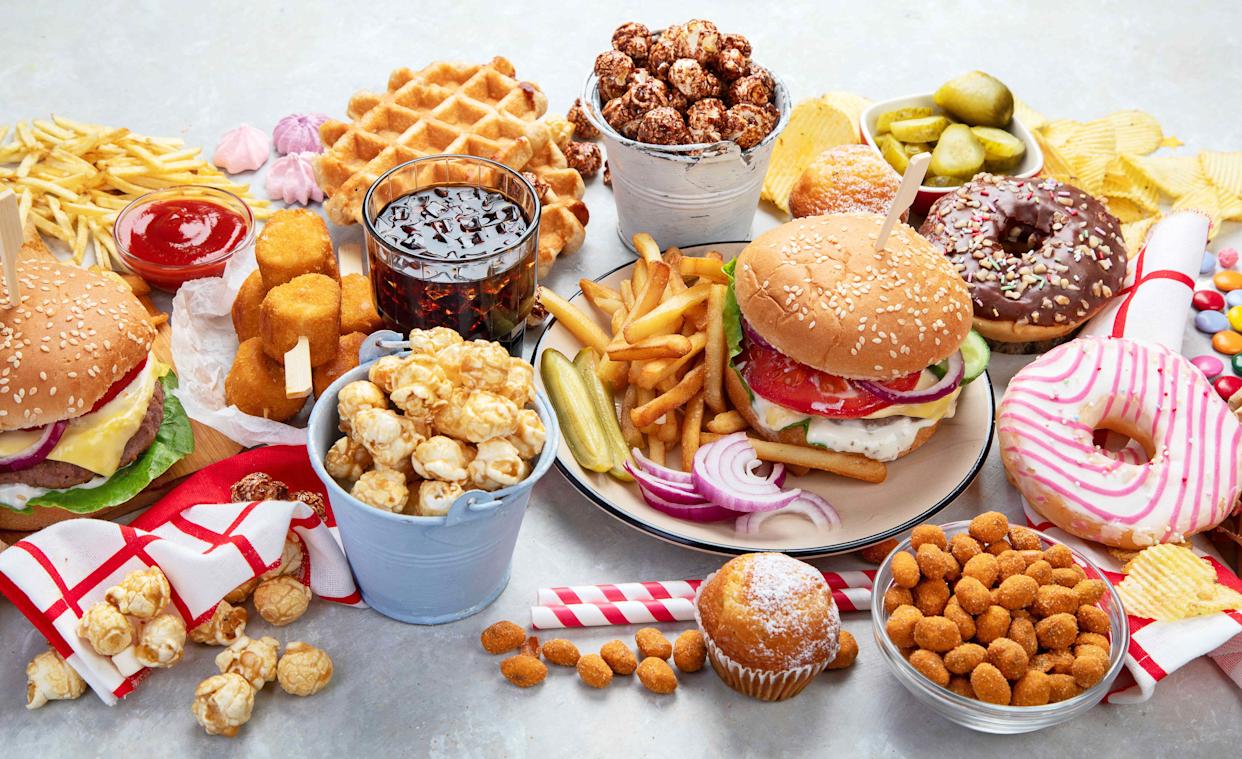
To improve your gut health, avoid red meat, alcohol, and processed and artificially sweetened foods.
Credit: bit245 / Getty Images
-
The gut microbiome is home to trillions of microorganisms, including bacteria and viruses.
-
Some foods, especially ultra-processed foods, can encourage the growth of harmful microorganisms.
-
Foods rich in probiotics and prebiotics help support beneficial microorganisms.
The gut is home to trillions of microorganisms, including fungi, bacteria, and viruses, which play important roles in digestion, immunity, and overall health. Although beneficial microorganisms are ideal, some foods can promote the growth of less beneficial microorganisms. Here are five foods that can harm your gut, and healthier options to try.
1. Red meat
Credit: Irina Piscova/Getty Images
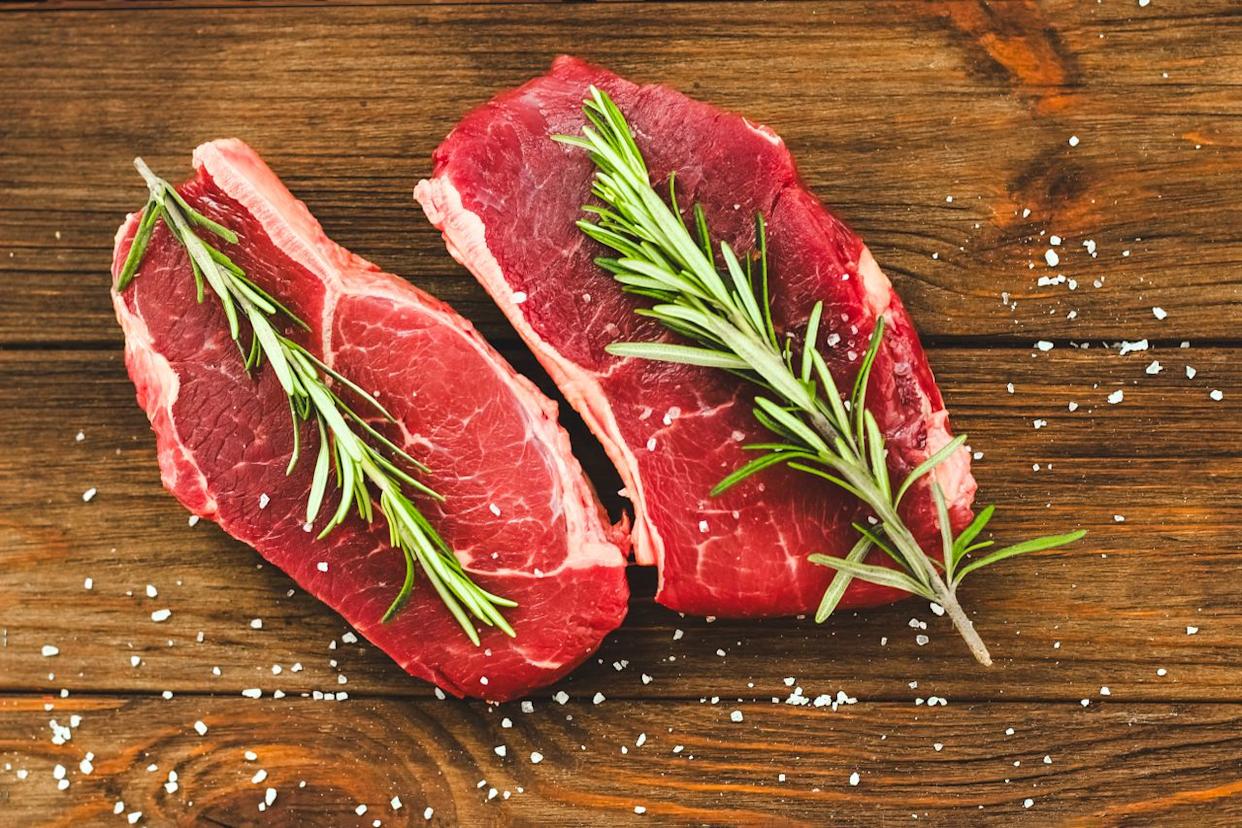
Eating red meat such as beef, lamb, and pork can increase certain toxins in your intestines. Gut bacteria convert L-carnitine, an amino acid found in red meat, into a harmful compound called trimethylamine-N-oxide (TMAO). TMAO can cause arteriosclerosis and increase the risk of heart disease.
Eating processed red meat (bacon, sausage, pepperoni) can increase levels of certain gut bacteria that cause inflammation and increase the risk of colorectal cancer.
2. Ultra-processed foods
Credit: Beats3 / Getty Images
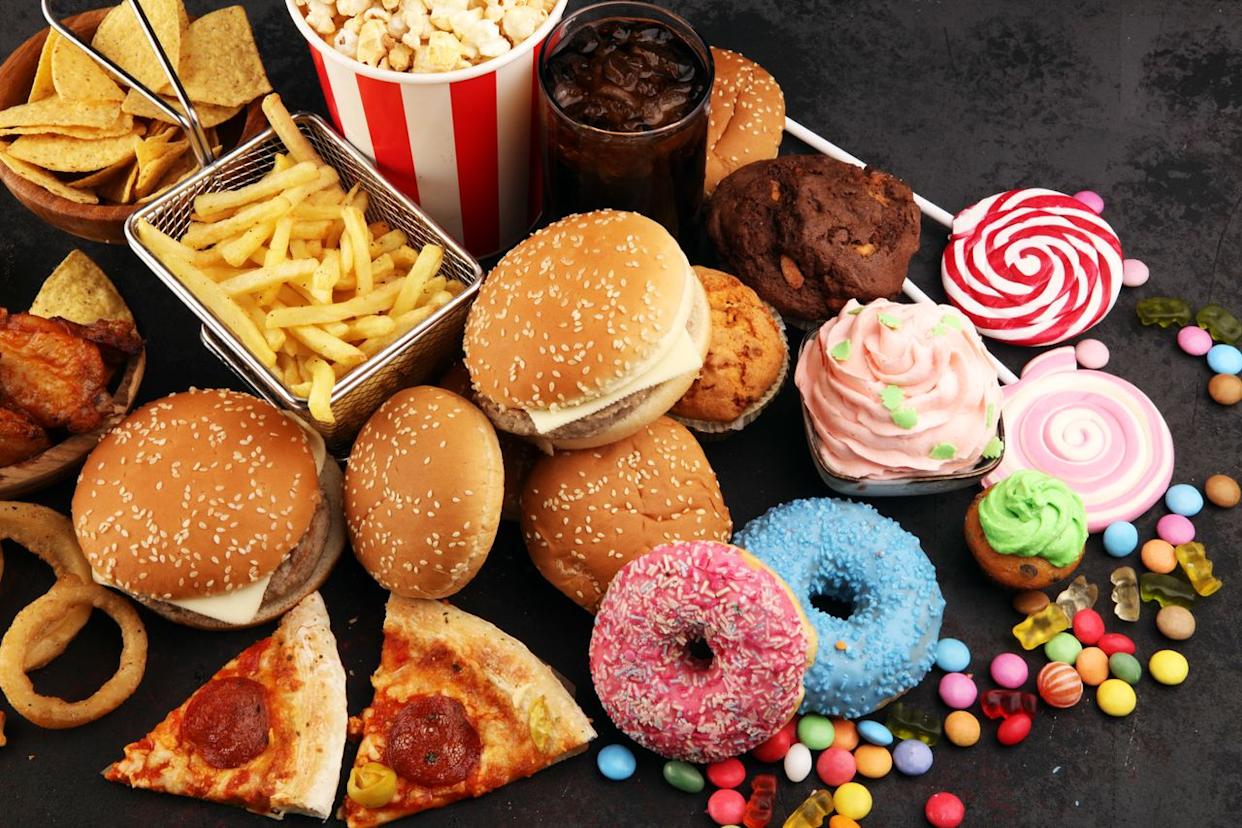
Ultra-processed foods are industrially produced foods that can be eaten or heated quickly. These contain little or no whole foods and are often high in saturated fat, added sugars, sodium (salt), and other additives that can harm your gut microbiome. Eating a lot of them can increase your risk of heart disease and obesity. Examples include:
Ultra-processed foods can reduce the abundance and diversity of “good” gut microbes. This can lead to intestinal inflammation and increased intestinal permeability, meaning more harmful substances are absorbed into the bloodstream. It can increase your risk of diseases such as obesity, dementia, and Alzheimer’s disease.
3. Alcohol

Credit: Iuliia Bondar / Getty Images
Studies have shown that long-term alcohol consumption significantly alters the gut microbiome.
Alcohol reduces beneficial gut microorganisms and increases harmful microorganisms. It also increases intestinal permeability, allowing harmful substances to enter the bloodstream.
4. Artificial sweeteners
Credit: MirageC / Getty Images
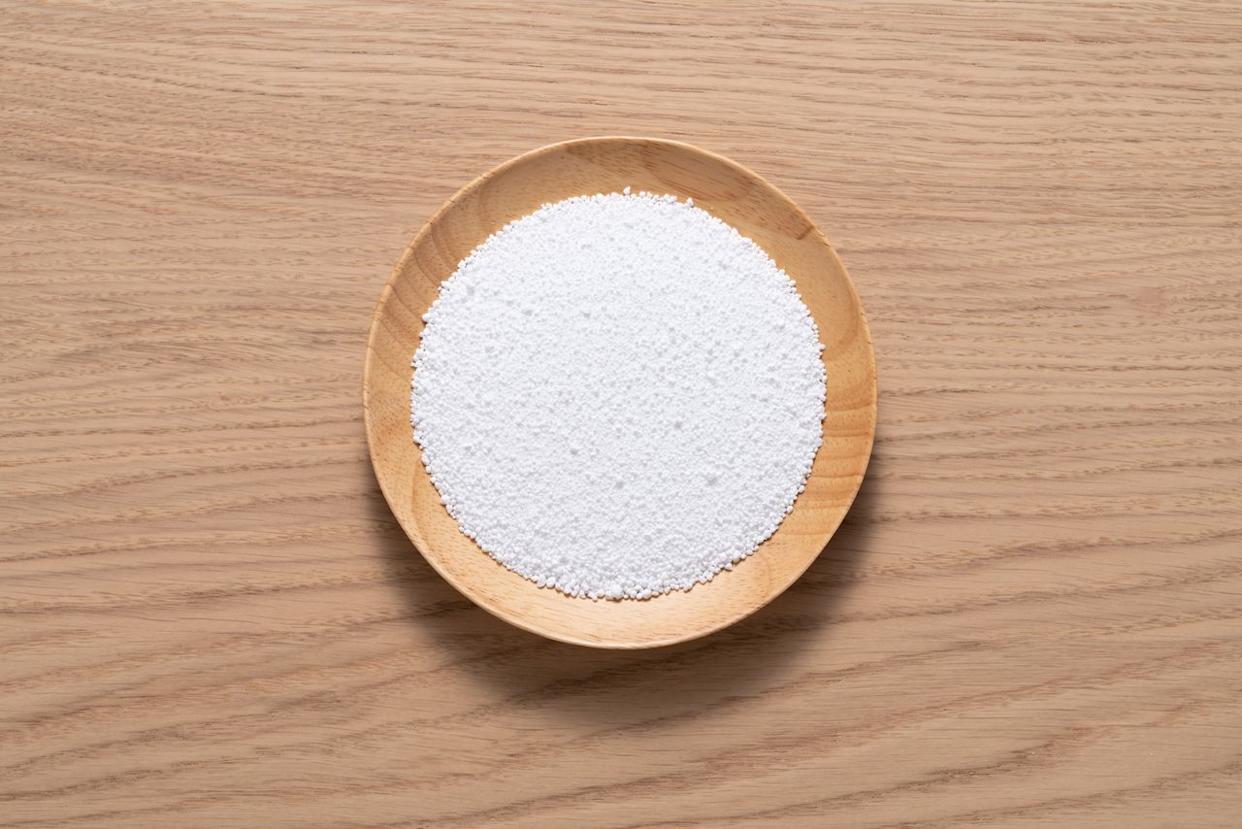
Sugar-free and calorie-free sugar substitutes can cause imbalances in the gut microbiome, increase inflammation, and reduce beneficial short-chain fatty acids (SCFAs) that support digestive health.
Research shows that these effects on the gut may contribute to an increased risk of obesity and type 2 diabetes. In experiments, when healthy mice were transplanted with gut microbes from hosts that had consumed low-calorie sweeteners, the mice’s glucose tolerance (sugar) was weakened.
5. Dairy products
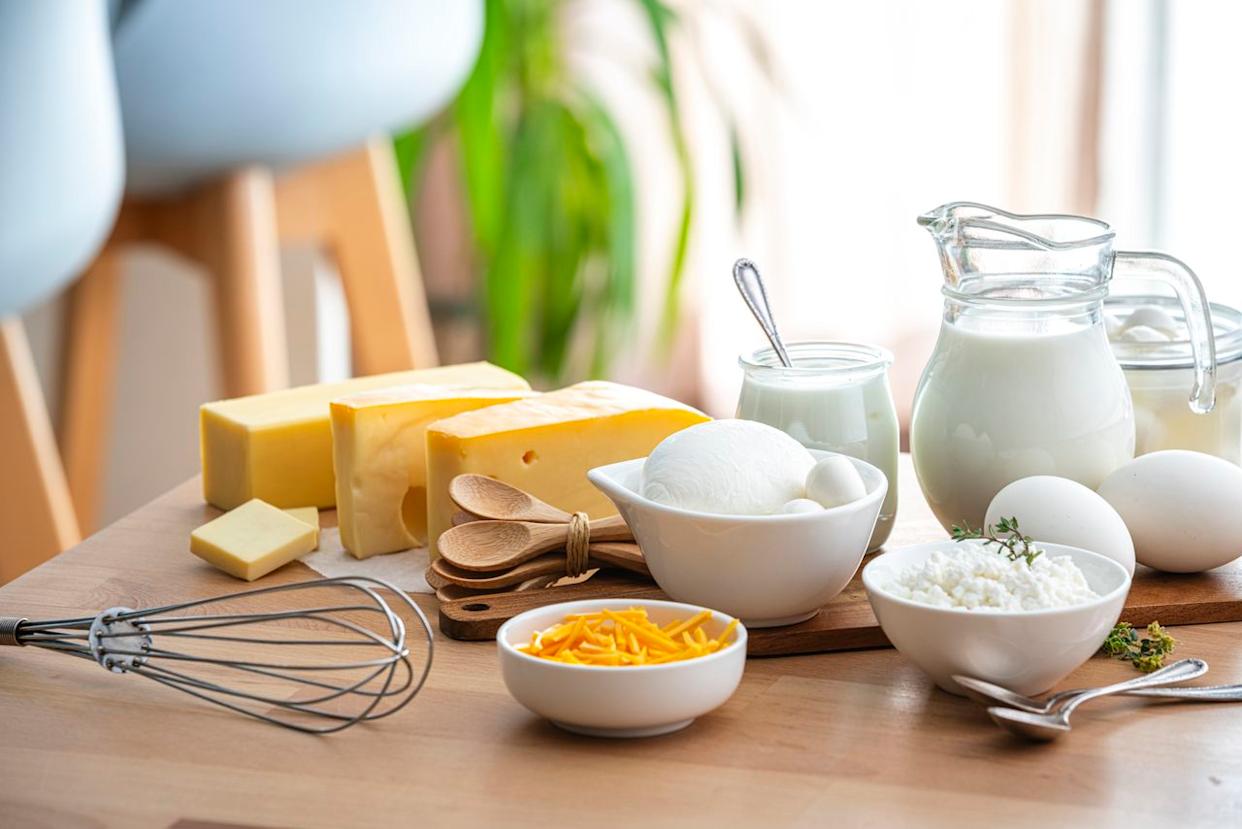
Credit: fcafotodigital / Getty Images
People with certain conditions may have difficulty digesting dairy products.
-
lactose intolerance: Lactose is a sugar found in dairy products. Approximately 70% of adults worldwide do not have enough intestinal lactase, the enzyme needed to digest lactose. For these people, high-lactose foods such as milk and cheese can cause gastrointestinal (GI) symptoms such as bloating, diarrhea, and abdominal pain.
-
Milk and dairy allergies: Milk is one of the most common allergies. People with milk allergies may experience gastrointestinal symptoms such as abdominal pain, vomiting, and diarrhea due to dairy products.
-
inflammatory bowel disease (IBD): Patients with Crohn’s disease or ulcerative colitis (UC) may have trouble digesting lactose. These conditions cause inflammation in the gastrointestinal tract. Avoiding trigger foods such as dairy products can help prevent flare-ups of inflammation and manage IBD symptoms such as nausea, abdominal pain, and diarrhea.
what to eat instead
Certain foods promote gut health, including:
-
probiotic foodsyogurt, and fermented foods such as kefir, kimchi, kombucha, tempeh, and sauerkraut. Probiotics are live microorganisms that change the composition of the gut microbiome, reducing the growth of harmful bacteria and allowing the growth of beneficial bacteria.
-
prebiotic foodsbananas, onions, barley, garlic, green onions, asparagus, etc. Prebiotics feed the “good” probiotic bacteria in your intestines, change the pH in your intestines, and prevent the growth of harmful microorganisms. These changes may reduce intestinal inflammation and increase production of intestinal glucagon-like peptide 2 (GLP2), a hormone that helps strengthen the intestinal lining.
-
foods high in fiberinclude Whole grains, fruits, nuts, seeds, leafy greens, and other vegetables. Fiber is a non-digestible carbohydrate that increases satiety and supports gut health.
-
Foods rich in polyphenolsapples, berries, cocoa, artichokes, tea, citrus, pears and more. Polyphenols are antioxidants produced by certain plants. These natural compounds balance the “good” and “bad” bacteria in your intestines, boost immune support, and help prevent diseases such as colorectal cancer.
Read the original article about health
#worst #foods #gut #eat