Supplement brand Thorne is on track to hit $650 million in annual sales this year, driven by Gen Z and Millennial shoppers who are increasingly interested in improving their health, CNBC reported.
The 42-year-old supplement brand, which L. Catterton took private in 2023, has maintained a compound annual growth rate of more than 30% since its acquisition, the company said. From 2022 to 2025, revenue more than doubled from $229 million to more than $500 million, according to the filing and the company.
Meanwhile, the number of consumers shopping directly with the brand has increased to about 7 million from about 4 million at the end of 2023, driving a 63% jump in direct-to-consumer sales, the company said.
Colin Watts, former CEO of The Vitamin Shoppe, said: “A lot of what we’ve done over the last few years has been about streamlining and focusing and, in some ways, simplifying go-to-market, being clear about who the consumers we’re serving and what they want from the brand, and looking back at our heritage.” “…Our prediction is that this will become a billion-dollar brand over the next few years.”
Thorne’s growth comes as the market for vitamins, minerals and supplements swells in the U.S., driven in part by the “Make America Healthy Again” movement and health-conscious young shoppers looking to optimize their health and improve things like sleep and nutrition. The U.S. vitamin, mineral and supplement market is expected to reach $125 billion in 2025 and grow 11% by 2027, according to data collected by consulting firm AlixPartners.
“As science advances and, frankly, consumers have more control over their health, spending changes and the focus shifts to, ‘What can we proactively do to manage our future health?'” Watts said.
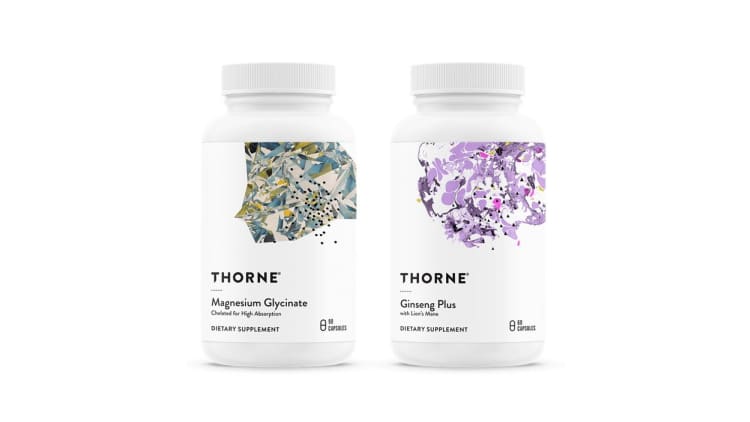
Thorne’s Magnesium Glycinate and Ginseng Plus Supplements.
Provided by: Thorn
The increased interest in nutritional supplements, which was a popular gift category during the recent holiday season, is creating opportunities for major retailers such as Walmart, Target and Amazon, consumer products companies such as Nestlé, and smaller brands such as Thorne. This also reflects a broader generational shift that is reshaping the industry. While this category was once dominated by older consumers focused on preventative health, it is now being driven by younger shoppers interested in performance, personalization, and daily health routines.
“When I started looking at this market 25 years ago, it was a baby boomer-driven market. We basically focused on serving baby boomers and that’s how we won in the market. So the reality is today’s market is a Gen Z, millennial market,” Watts said. “One of the big trends with Gen Z Millennials is that they don’t think of supplements as prevention. They think of supplements as performance: ‘I want to sleep better, I want to have more energy, I want to deal with anxiety, I want to exercise better.'” They’re very focused on these things. ”
About 60% of Thorne’s total revenue comes from shoppers under 40, who spend about 1.5 times more on wellness than their parents, Watts said. He estimated that about half of shoppers under 40 are subscribers, despite reluctance among some younger consumers to subscribe to subscription plans.
“One of the reasons Gen Z hates subscriptions is because subscribing to something and seeing it elsewhere for cheaper drives them crazy — and frankly drives me crazy,” Watts said. “We’re very disciplined about our pricing. … We don’t promote or overpromote our brands. We’re pretty consistent.”
To encourage shoppers to subscribe and ditch the high prices, Thorne is offering free shipping and a 10% discount on every refill order. Subscriptions can be made up to every two weeks or up to every four months. Shoppers get 20% off when they subscribe to 3 or more products.
As the supplement industry grows, so too does scrutiny of ingredients, labeling, and manufacturing, especially among younger shoppers who want to know how products are made. Since supplements are not regulated by the FDA for safety or effectiveness, brands are under pressure to conduct their own testing that can be incorporated into marketing campaigns.
“We spend a lot of time making sure that we can prove the science, that we can prove efficacy. For example, we’re one of the few brands that has worked with the Mayo Clinic for over 14 years,” Watts said. “We’ve also worked with a lot of top sports teams. We’re an official complement to the UFC. We work with a variety of different tennis associations… All of this basically forces us to up our game, because they’re even more discerning people than the average consumer.”
Asked if the company had any ambitions to relist, Watts said: “There’s no need to rush.” He said an IPO was one possible route, along with a strategic acquisition by a large company.
“Like any other private equity firm, I think: [L] “Catterton will look for the right opportunity, the right exit, the right time,” Watts said, adding, “We’re currently looking at where we can grow through brick-and-mortar retail, international expansion and major expansion down the road, but there are also a number of strategic companies that may see a brand like Thorne as a very strong asset within their overall portfolio.”
#Thorne #track #million #sales #subscription #fatigue #Gen #fuels #supplement #boom